

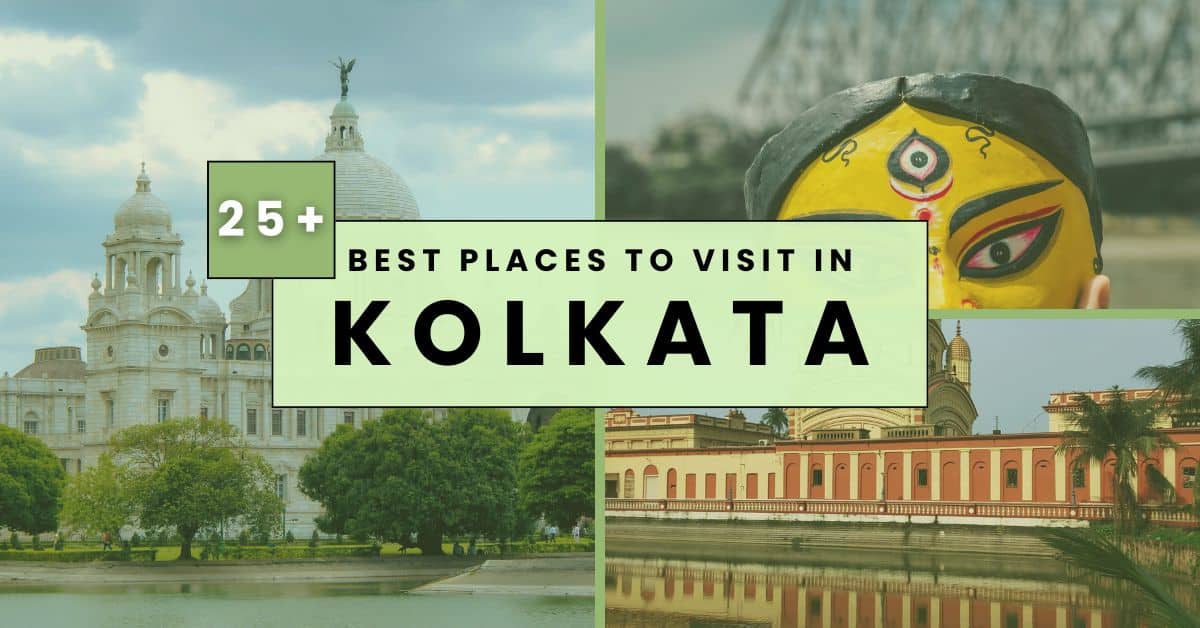
Planning a trip to Kolkata can feel surprisingly confusing at first. You open one tab for Victoria Memorial, another for Dakshineswar Temple, then someone tells you not to miss College Street, while another friend insists Park Street is the real heart of the city. Before you know it, your map is full of saved places that are nowhere near each other. I’ve been there too. The good news is that Kolkata isn’t a city you need to rush through. Once you know which attractions deserve your time and how to group them, the city starts making sense. This guide focuses on the best places to visit in Kolkata with practical tips, approximate entry fees, nearby metro stations, and honest advice to help you build a trip that feels enjoyable instead of exhausting.
Why Is Travel Important in Our Life: 10 Benefits of Travel
Travel is more than just visiting new places- it’s about finding new parts of yourself. Why is travel important in our life? This question often comes to mind when we feel the urge to explore. Traveling has many benefits that make our lives better. It helps us see new things, feel happier, and learn more about the world. Continue Reading ►
Kolkata Attractions at a Glance – 25 Best Places to Visit in Kolkata
Before jumping into the details, here’s a quick comparison to help you shortlist attractions based on your interests. Ticket prices and timings can change, so treat these as approximate planning figures rather than exact values.
| Attraction | Area | Approx. Entry Fee | Time Needed | Nearest Metro | Best For |
|---|---|---|---|---|---|
| Victoria Memorial | Maidan | Around ₹30-₹50 (museum) | 2-3 hrs | Maidan | History & photography |
| Howrah Bridge | Howrah | Free | 30-60 mins | Howrah | Iconic views |
| Princep Ghat | Maidan | Free | 1-2 hrs | Princep Ghat Railway / Maidan Metro | Sunset walks |
| Indian Museum | Chowringhee | Around ₹75+ | 2-3 hrs | Park Street | Museums |
| Dakshineswar Kali Temple | Dakshineswar | Free | 1-2 hrs | Dakshineswar | Spiritual visit |
| Belur Math | Belur | Free | 1-2 hrs | Belur Railway | Peaceful evenings |
| Kalighat Temple | Kalighat | Free | 1-2 hrs | Kalighat | Pilgrimage |
| St. Paul’s Cathedral | Maidan | Free | 30-60 mins | Rabindra Sadan | Architecture |
| Marble Palace | North Kolkata | Free (permission required) | 1 hr | Girish Park | Heritage |
If you’re visiting for just a day or two, don’t try to squeeze everything into one schedule. Kolkata rewards slower travel far more than ticking boxes.
1. Victoria Memorial
If there’s one landmark that almost everyone associates with Kolkata, it’s Victoria Memorial. Even people who have never visited the city usually recognize its white marble dome. Standing in front of it, especially on a clear winter morning, you understand why. The marble seems to glow softly in the sunlight rather than shine brightly.
The building itself houses galleries showcasing paintings, historical artefacts, sculptures, and exhibits connected with colonial-era India. Even if museums aren’t usually your thing, the landscaped gardens surrounding the memorial are worth spending time in. Many local families simply come here to relax or enjoy a quiet walk.
It’s not for everyone, though. If you dislike museums or historical exhibits, you might find the indoor galleries slower than expected. In that case, you could simply explore the gardens and admire the architecture from outside.
Allow roughly two to three hours if you plan to visit both the museum and the gardens. The nearest metro station is Maidan, making it easy to reach without depending entirely on taxis.
Morning is usually the most pleasant time to visit. Weekends, school holidays, and winter afternoons can become noticeably crowded. I could be wrong, but I think the peaceful atmosphere early in the day is what makes this place memorable.
2. Howrah Bridge
Some attractions are best experienced from a distance rather than standing right in front of them, and Howrah Bridge is one of those places.
The bridge carries an enormous amount of daily traffic between Kolkata and Howrah, so don’t expect to stop in the middle for photographs. You simply can’t. Vehicles, buses, and pedestrians keep moving almost constantly.
Instead, enjoy it from nearby viewpoints like the ferry ghats or the riverfront. Watching the steel structure reflect on the Hooghly River around sunset creates a completely different impression than seeing it in photographs. The gentle sound of ferry horns drifting across the river stays with you longer than the bridge itself.
If you’re interested in local life, visit the famous Mullick Ghat Flower Market nearby during the morning. Bright marigold garlands and fresh flowers fill narrow lanes beneath the bridge, making it one of Kolkata’s most colourful experiences.
It’s worth noting that this stop doesn’t require much time. Around 30 to 60 minutes is usually enough unless you’re combining it with a ferry ride or nearby attractions.
Simple. Yet unforgettable.
3. Princep Ghat
Princep Ghat feels different from many other attractions in Kolkata. There isn’t a museum to rush through or a long sightseeing checklist waiting for you. Most people simply come here to slow down.
The long riverside promenade beside the Hooghly is ideal for an evening walk, while boat rides offer another perspective of the river and nearby bridges. Couples, families, photographers, and even solo travellers all seem to find their own quiet corner here.
Midday can feel surprisingly hot because there’s little shade along parts of the walkway. Sunset is easily the better choice. The orange light reflecting across the water creates a calm atmosphere that photographs never fully capture.
If you’re looking for action-packed sightseeing, this might feel too quiet. That’s completely fair. But if you’ve already spent hours exploring museums and busy streets, Princep Ghat provides a welcome change of pace.
Allow around one to two hours here, especially if you’re planning a boat ride.
If you’re planning to spend more time along the Hooghly River, our Millennium Park Kolkata Guide also covers another relaxing riverside stop that’s easy to combine with Princep Ghat.
4. Indian Museum
The Indian Museum isn’t just one museum-it feels like several museums combined into one building. That’s both its biggest strength and something visitors often underestimate.
Inside, you’ll find galleries dedicated to archaeology, fossils, ancient sculptures, textiles, natural history, Egyptian artefacts, and much more. If you’re genuinely interested in history, it’s easy to spend two or even three hours here without realizing how quickly time passes.
Families travelling with older children often enjoy the dinosaur skeletons and fossil collections, while history enthusiasts usually spend longer exploring the archaeological sections.
Be prepared for plenty of walking. The museum is large, and trying to rush through every gallery can become tiring. My suggestion would be to focus on the exhibits that genuinely interest you rather than attempting to see everything.
The nearest metro station is Park Street, making access fairly straightforward.
One small detail I always remember is the cool echo of footsteps inside the museum’s long heritage corridors. Somehow, it makes the entire place feel older than it already is.
5. Dakshineswar Kali Temple
Dakshineswar Kali Temple is one of the most important spiritual destinations in West Bengal, attracting both pilgrims and curious visitors every day.
Dedicated to Goddess Kali, the temple complex sits beside the Hooghly River, creating an atmosphere that feels surprisingly peaceful despite the crowds. Watching devotees quietly offer prayers while bells ring across the courtyard is an experience that stays with many visitors.
Festival periods, especially Kali Puja and major religious occasions, become extremely crowded. If you’re mainly interested in architecture or a peaceful visit rather than attending religious ceremonies, weekday mornings are generally a better choice.
Remember to dress respectfully and follow temple guidelines. Shoes must be removed before entering certain areas, and photography restrictions may apply in parts of the complex.
Many travellers combine Dakshineswar with Belur Math by taking a ferry across the river. It saves road travel and adds a memorable experience to the day.
It’s busy. Very busy at times. But for anyone interested in Kolkata’s spiritual side, it’s still one of the city’s most meaningful places to visit.
6. Belur Math
Just across the Hooghly River from Dakshineswar lies Belur Math, headquarters of the Ramakrishna Mission. The atmosphere changes almost immediately after you enter the campus.
Instead of traffic and temple queues, you’ll find wide open spaces, beautifully maintained gardens, and quiet pathways leading towards the main shrine. The architecture itself is fascinating because it blends elements inspired by Hindu, Islamic, Christian, and Buddhist traditions.
This isn’t really the place for loud conversations or hurried sightseeing. Most visitors naturally lower their voices after arriving. The silence feels genuine rather than enforced.
Evening is often considered the best time to visit, especially if you stay for the evening prayer ceremony. The soft sound of devotional chanting drifting across the grounds creates a peaceful ending to the day.
I’ll be honest-it may not appeal to travellers looking for fast-paced sightseeing. But if you’re happy slowing down for an hour or two, Belur Math offers something many busy attractions don’t.
Space to breathe.
7. Kalighat Temple
Kalighat Temple is another deeply significant pilgrimage site in Kolkata and one of the city’s oldest temples dedicated to Goddess Kali.
Unlike Dakshineswar, Kalighat sits within a busy neighbourhood, so expect narrow streets, shops selling flowers and offerings, and plenty of activity around the entrance. The scent of incense mixes with fresh flowers almost constantly, creating an unmistakable temple atmosphere.
Queues can become long, especially during weekends and festivals. If you’re travelling with elderly family members, arriving early in the morning usually makes the visit more comfortable.
One thing first-time visitors should know is that unofficial guides and touts sometimes approach tourists outside the temple. A polite but firm “no thank you” is usually enough if you don’t need assistance.
The nearest metro station is Kalighat, making this one of the easiest religious attractions to reach using public transport.
It isn’t the quietest temple you’ll visit. Not even close. But its cultural and spiritual importance makes it difficult to leave off any Kolkata itinerary.
8. St. Paul’s Cathedral
St. Paul’s Cathedral offers a completely different side of Kolkata. After busy markets and crowded temples, stepping inside this church feels unexpectedly calming.
The Gothic-style architecture immediately catches your attention, but it’s the quiet interior that many visitors remember most. Sunlight filtering through stained-glass windows creates soft patches of colour across the stone floor without saying a word.
Christmas is naturally one of the busiest times to visit because of decorations and celebrations, but the cathedral remains beautiful throughout the year. If you prefer fewer crowds, choose an ordinary weekday morning instead.
You won’t need a huge amount of time here. Around 30 to 45 minutes is usually enough unless you enjoy sitting quietly for a while.
Some travellers skip it because churches aren’t a priority during city sightseeing. That’s understandable. But if you appreciate architecture or simply want a peaceful break between attractions, it’s well worth including.
9. Marble Palace
Marble Palace feels like stepping into another era of Kolkata’s history. Built in the nineteenth century by Raja Rajendra Mullick, this mansion is known for its marble interiors, antique furniture, sculptures, chandeliers, and European paintings.
One important thing to remember is that visiting isn’t always as straightforward as buying a ticket and walking in. Entry procedures and permission requirements have changed over time, so it’s worth checking the latest information before making plans.
Because visitor numbers are controlled, the experience often feels quieter than many of Kolkata’s better-known attractions. That slower pace allows you to notice details like polished marble floors reflecting light from old chandeliers.
If you’re expecting an interactive museum with modern displays, this may not be your favourite stop. The appeal here lies in appreciating heritage rather than entertainment.
Allow about an hour for the visit.
It’s one of those places where the silence inside tells almost as much of the story as the objects on display.
10. Mother House
Mother House is not the grandest attraction in Kolkata, and that’s exactly why many people remember it so clearly. This was the home and headquarters of the Missionaries of Charity founded by Mother Teresa, and the atmosphere reflects the simple life she chose.
Inside, you’ll find Mother Teresa’s tomb, a small museum displaying her personal belongings, handwritten letters, photographs, and a glimpse into her humanitarian work. Nothing feels designed to impress visitors. Instead, everything encourages quiet reflection.
The silence here is the first thing most people notice. Even with other visitors around, conversations naturally become softer.
I’ll be honest, this stop isn’t for everyone. If you’re looking for architecture or elaborate sightseeing, you might not spend much time here. But if you’re interested in history, compassion, or simply want a peaceful break from the city’s constant movement, Mother House offers something genuinely different.
Allow roughly an hour for your visit. Since it’s an active religious institution, dress modestly and behave respectfully. Photography may be restricted in certain areas, so it’s always worth checking before taking pictures.
Sometimes the simplest places leave the strongest impression.
11. Jorasanko Thakur Bari
If Rabindranath Tagore’s writings, music, or legacy have ever meant something to you, Jorasanko Thakur Bari deserves a place on your itinerary. This ancestral home of the Tagore family has been carefully preserved as a museum celebrating one of India’s greatest literary figures.
Walking through the rooms where Tagore spent much of his life gives the experience a personal feel that books alone cannot provide. Manuscripts, paintings, photographs, furniture, and family memorabilia tell the story of a remarkable household that shaped Bengal’s cultural history.
The old wooden staircases creak gently beneath your feet, reminding you that this isn’t a recreated attraction but a place that has witnessed generations of history.
Visitors who aren’t particularly interested in literature may find the museum slower than places like Victoria Memorial or Science City. That’s completely understandable. But for anyone curious about Bengali culture, it’s one of Kolkata’s most rewarding stops.
Plan for about one to two hours here. Weekdays are generally quieter, making it easier to explore the galleries at your own pace.
12. College Street
College Street isn’t famous because of one building. It’s famous because of thousands of books.
Stretching through central Kolkata, this historic area is lined with bookshops, pavement stalls, publishing houses, and educational institutions. Whether you’re searching for rare classics, second-hand textbooks, or novels at bargain prices, there’s a good chance you’ll find them here.
The smell of old paper mixed with freshly brewed tea from nearby stalls gives the street its own unmistakable character.
Even if you don’t buy a single book, wandering through the narrow lanes is an experience in itself. Many visitors also stop at the legendary Indian Coffee House, where students, writers, professors, and artists have gathered for decades over simple cups of coffee.
It may not appeal to travellers who prefer monuments and photography spots. There’s no dramatic viewpoint waiting at the end of the road. Instead, College Street rewards curiosity and slow exploration.
Allow around two hours if you plan to browse the bookshops and enjoy a relaxed break at the Coffee House.
13. Park Street
Some parts of Kolkata change their personality after sunset, and Park Street is probably the best example.
During the day, it’s a busy commercial road with offices, cafés, and restaurants. As evening arrives, the area becomes livelier with people heading out for dinner, live music, or simply an evening walk.
The aroma of freshly baked bread drifting from old bakeries is one of those small details that makes Park Street memorable.
Food lovers are spoiled for choice here, with everything from historic restaurants to modern cafés. If you’re visiting around Christmas and New Year, you’ll also see decorative lights stretching across the street, creating one of Kolkata’s most festive scenes.
That said, this isn’t the place for a quiet evening. Traffic can be heavy, restaurants often require waiting during weekends, and parking is rarely easy.
Still, if you enjoy experiencing a city’s social life rather than only its monuments, Park Street deserves at least a few hours of your trip.
14. Eco Park
Eco Park shows a completely different side of Kolkata. Instead of colonial buildings and heritage landmarks, you’ll find wide open spaces, landscaped gardens, lakes, cycling tracks, boating facilities, and themed attractions spread across a massive area in New Town.
One of the biggest mistakes visitors make is assuming they can finish everything in an hour. The park is enormous.
Families with children usually enjoy boating, toy train rides, cycling, and open recreational spaces, while couples often prefer quieter lakeside walks. If you’re someone who enjoys photography, early mornings and late afternoons usually provide the best light.
Summer afternoons can become uncomfortable because much of the park is open. Winter is generally the most pleasant season to visit.
If museums and historical sites are your main interest, Eco Park might not be your favourite attraction. But if you want a relaxed outdoor break after exploring central Kolkata, it’s well worth setting aside half a day.
If Eco Park is high on your list, our detailed Eco Park Kolkata Guide covers activities, tickets, timings, and practical tips that are difficult to fit into this roundup.
15. Science City
Science City is one of those attractions where children often end up teaching adults something new.
Unlike traditional museums where you’re expected to quietly observe exhibits, many displays here encourage visitors to interact, experiment, and explore. Interactive galleries, scientific demonstrations, space-themed exhibits, and educational displays make it one of Kolkata’s most engaging family attractions.
The laughter coming from children experimenting with hands-on exhibits is hard to miss throughout the day.
If you’re travelling with younger kids or teenagers, this is easily one of the strongest additions to your itinerary. Adults interested in science usually enjoy it too, although some galleries are clearly designed with younger visitors in mind.
You’ll need at least two to three hours to explore comfortably. Weekends and school holidays naturally attract larger crowds, so weekdays offer a more relaxed experience whenever possible.
Science City isn’t only about entertainment. It manages to make learning feel surprisingly enjoyable.
16. Birla Planetarium
Located close to Victoria Memorial and St. Paul’s Cathedral, Birla Planetarium fits nicely into a day of exploring central Kolkata.
The main attraction here is the astronomy show held inside the dome-shaped theatre. Watching planets, stars, and constellations projected across the curved ceiling creates an experience that’s very different from reading about space in a book.
When the lights dim completely before the presentation begins, the room becomes almost perfectly silent.
The planetarium is especially popular with school groups and families, although anyone interested in astronomy will probably enjoy the visit. Check show timings before arriving because presentations take place at scheduled intervals rather than continuously.
If you’re not particularly interested in science or space, this may feel like an easy attraction to skip. That’s perfectly reasonable. On a tight schedule, Victoria Memorial or the Indian Museum usually take priority.
Plan around one hour, including waiting time for the next available show.
17. Eden Gardens
For cricket fans, Eden Gardens is much more than a stadium. It’s one of the most famous cricket venues in the world and has witnessed countless unforgettable matches over the decades.
Even when there isn’t a game taking place, many visitors still stop outside simply to see the stadium that has hosted World Cup matches, historic Test encounters, and passionate Kolkata crowds.
The roar of supporters on match days can be heard well beyond the stadium walls.
Public access inside the stadium depends on ongoing events and maintenance schedules, so don’t assume you’ll automatically be able to tour every area. If there’s a match during your visit, tickets usually need to be booked well in advance.
Travellers who aren’t interested in cricket might only spend a short time here. That’s completely fine. But for sports lovers, standing outside Eden Gardens often feels like visiting a place they’ve already known through television for years.
If you’re already exploring Victoria Memorial, Maidan, or St. Paul’s Cathedral, adding Eden Gardens to the same day is both practical and convenient.
23. Nicco Park
If you’re travelling with children or a group of friends who enjoy rides more than museums, Nicco Park can be a refreshing change of pace. Often called the “Disneyland of West Bengal,” it has been entertaining visitors for decades with water rides, roller coasters, family attractions, and landscaped gardens. The cheerful sound of ride announcements and laughter carries across the park almost all day.
That said, this isn’t for everyone. If your idea of Kolkata is all about heritage walks and colonial architecture, you might feel your time is better spent elsewhere. But if you’re visiting for three days or travelling with kids, Nicco Park adds variety to your itinerary.
Plan for at least four to five hours if you want to enjoy several rides. Entry and ride packages vary, so it’s worth checking the latest prices before your visit. The nearest metro access continues to improve with Kolkata Metro expansions, though taxis and app-based cabs remain the easiest option for many travellers.
Weekdays are generally more relaxed than weekends and school holidays. Summer afternoons can feel exhausting, so arriving soon after opening usually makes for a better experience.
24. National Library
The National Library isn’t usually the first attraction visitors think about, which is exactly why some people end up enjoying it so much. Spread across the historic Belvedere Estate, it’s less about sightseeing and more about slowing down for a while. The quiet rustle of turning pages inside the reading areas creates an atmosphere that’s completely different from Kolkata’s busy streets.
I’ll admit this place isn’t for every traveller. If you’re racing to tick off famous landmarks in a single day, you can safely skip it. But if old buildings, peaceful gardens, and literary history appeal to you, spending an hour here feels rewarding.
Visitors mainly come to admire the colonial architecture, stroll through the grounds, and appreciate one of India’s largest public libraries. Access to some reading facilities follows library rules, so check the latest visitor guidelines before arriving.
The nearest metro station is a short taxi or auto ride away, and combining the National Library with Alipore Zoo or Victoria Memorial makes practical sense. It’s one of those places where nothing dramatic happens. Somehow, that’s exactly why many people remember it.
25. Aquatica Water Park
Kolkata summers can become surprisingly humid, and if you’re visiting with family during that season, Aquatica offers a fun break from sightseeing. The wave pool is usually the biggest attraction, especially when music starts playing and the artificial waves begin rolling across the water.
Of course, this isn’t the right choice if you’re visiting Kolkata for only one day. Heritage attractions deserve priority first. But for longer holidays or family vacations, it can be an enjoyable addition.
Aquatica has slides for different age groups, children’s play zones, rain dance areas, food courts, and changing facilities. Entry fees vary depending on weekdays, weekends, and seasonal offers, so check the latest prices before planning your visit.
Try reaching early in the morning during summer weekends because queues for popular rides grow quickly. Carry an extra set of clothes, waterproof phone protection, and sandals with good grip. Small things. They make the day much easier.
Suggested 1-Day, 2-Day & 3-Day Kolkata Itinerary
One mistake many first-time visitors make is trying to cross the city several times in one day. Kolkata looks manageable on a map, but traffic, metro changes, and sightseeing time add up quickly. Grouping attractions by area usually saves both time and energy.
One-Day Itinerary
This works best if you’re on a business trip or have only a short stopover.
- Victoria Memorial
- St. Paul’s Cathedral
- Indian Museum
- Park Street for lunch
- Princep Ghat at sunset
- Evening walk near Howrah Bridge
It feels busy, but still manageable if you start early.
Two-Day Itinerary
Day One
- Victoria Memorial
- Indian Museum
- Park Street
- Princep Ghat
Day Two
- Dakshineswar Temple
- Belur Math
- Kumartuli
- College Street
- Howrah Bridge after sunset
This gives you a much better balance between history, spirituality, and local life.
If you’re spending an extra day in the city, our Two Day Trip in Kolkata guide goes into much more detail with a practical hour-by-hour plan.
Three-Day Itinerary
Day Three is where you can personalise the trip.
Families often prefer Eco Park, Science City, Alipore Zoo, or Nicco Park. History lovers may enjoy Marble Palace, Jorasanko Thakur Bari, and Alipore Jail Museum instead. If you’re travelling during winter, spending an unhurried evening around Princep Ghat or Millennium Park is usually time well spent.
Traffic conditions change throughout the day, especially during office hours and festive seasons like Durga Puja. Keep your schedule flexible rather than trying to follow every hour exactly.
Practical Planning Tips Before Visiting Kolkata
A little planning goes a long way in Kolkata because attractions are spread across different parts of the city.
The best season is generally between October and February, when the weather is cooler and walking around heritage areas feels much more comfortable. Durga Puja is an unforgettable experience, but hotels fill quickly and crowds become enormous.
Kolkata Metro is often the fastest way to move between major attractions. Autos, yellow taxis, app-based cabs, and ferries across the Hooghly River all have their place depending on where you’re heading.
A comfortable sightseeing budget for most Indian travellers is approximately ₹1,500-₹3,000 per person per day, excluding hotel costs. Museum tickets are generally affordable, while taxis can become the biggest daily expense.
Choosing the right neighbourhood can save a surprising amount of travel time, so our Best Location to Stay in Kolkata guide can help before you book your hotel.
Summer afternoons can become extremely hot, so carrying water, sunscreen, and a cap is a smart idea. During monsoon, keep a lightweight umbrella because sudden showers are common.
Photography is allowed in many outdoor attractions, but museums, temples, and galleries often have separate camera policies. I wouldn’t assume every place allows photography inside. It’s always worth checking before taking pictures.
Food is a huge part of the Kolkata experience. Don’t leave without trying kathi rolls, puchka, mishti doi, and fresh fish dishes if you enjoy Bengali cuisine.
After a day of sightseeing, many travellers enjoy exploring Kolkata through its food, so our Kolkata Local Food Trip Guide is a great companion if you want to try authentic Bengali flavours.
Final Thoughts
The best thing about Kolkata is that it doesn’t try to impress you all at once. Some cities win you over with dramatic skylines or famous beaches. Kolkata works differently. It grows on you through quiet moments-a tram passing an old colonial building, the smell of fresh tea outside College Street, the evening breeze at Princep Ghat, or the sound of temple bells floating across the Hooghly River.
You also don’t need to visit all 25 places on this list to enjoy the city. In fact, I’d suggest doing the opposite. Pick the attractions that genuinely match your interests, leave room for unexpected discoveries, and don’t worry if a few landmarks stay on your list for another trip. Kolkata has a way of making people want to return.
At AlarTravels, we always believe the best journeys leave space for curiosity rather than strict checklists. That’s especially true here.
If Kolkata leaves you wanting another short escape, our 10 Best Weekend Destinations Near Kolkata guide has plenty of ideas that are easy to add to your trip.
Wherever you decide to go next, travel a little slower, stay curious, and let each destination reveal itself in its own time. We’ll be here at AlarTravels with more practical, honest travel guides whenever you’re ready for your next adventure.
Frequently Asked Questions
What are the best places to visit in Kolkata?
If it’s your first visit, I’d focus on a mix of Kolkata’s heritage, riverfront, and cultural attractions rather than trying to see everything. A balanced itinerary usually includes Victoria Memorial, Howrah Bridge, Princep Ghat, Indian Museum, Dakshineswar Kali Temple, Belur Math, Park Street, and Kumartuli. These places show different sides of the city-from colonial architecture and religious landmarks to local art and everyday life.
That said, the “best” places depend on what interests you. Families often enjoy Eco Park, Science City, Alipore Zoo, and Nicco Park more than museums. History lovers may prefer Marble Palace, Jorasanko Thakur Bari, and the Alipore Jail Museum. Food lovers could happily spend an evening around Park Street followed by a street food walk.
I could be wrong, but I think many first-time visitors make the mistake of squeezing too much into one day. Kolkata is a city that rewards slowing down. Watching boats drift along the Hooghly at Princep Ghat or spending an extra hour browsing College Street often becomes more memorable than rushing between five more attractions.
Is 2 days enough for Kolkata sightseeing?
Yes, two days are enough to experience Kolkata’s major highlights, but not enough to see absolutely everything. If you plan carefully, you can comfortably cover most of the city’s famous attractions without feeling constantly rushed.
A practical approach is to dedicate one day to central Kolkata, including Victoria Memorial, St. Paul’s Cathedral, the Indian Museum, Park Street, and Princep Ghat. Spend the second day exploring Dakshineswar Kali Temple, Belur Math, Kumartuli, College Street, and Howrah Bridge. Grouping nearby attractions together saves a surprising amount of travel time.
If you’re travelling during Durga Puja, Christmas, or a busy winter weekend, expect heavier crowds and slower traffic. Metro trains often help avoid delays, though you’ll still spend time walking between attractions.
If you have a third day available, that’s when you can add places like Eco Park, Science City, Alipore Zoo, or Nicco Park without feeling like you’re racing against the clock. Those attractions deserve more than a quick stop.
Which places can be visited in one day in Kolkata?
A one-day trip is definitely possible, but you’ll need to be selective. Trying to visit every famous landmark simply isn’t realistic because Kolkata is a large city with traffic that changes throughout the day.
One sensible route starts with Victoria Memorial in the morning before the crowds grow. From there, continue to St. Paul’s Cathedral and the Indian Museum if history interests you. Enjoy lunch around Park Street, then head towards Princep Ghat in the late afternoon before finishing your day near Howrah Bridge after sunset.
If temples are your priority instead, you could replace the museum visits with Dakshineswar Kali Temple and Belur Math. Just remember that religious sites can become extremely busy during festivals and weekends.
Keep some flexibility in your schedule. A little extra time for tea, street food, or simply sitting by the river often becomes the highlight of the day.
What is the best time to visit Kolkata?
For most travellers, the best time to visit Kolkata is between October and February. The weather is noticeably cooler, walking around outdoor attractions is much more comfortable, and the city hosts several festivals and cultural events.
If you can plan your trip around Durga Puja, you’ll experience Kolkata at its most vibrant. Beautifully decorated pandals, colourful lighting, and celebrations transform the city into something truly special. The downside is obvious-hotel prices rise, traffic increases, and popular attractions become much busier.
Summer, especially from April to June, can feel hot and humid during the afternoon. It’s still possible to travel, but you’ll probably enjoy indoor attractions like the Indian Museum or Science City more during the hottest hours.
Monsoon brings lush greenery and fewer tourists, although sudden showers can interrupt sightseeing plans. Carrying a compact umbrella and allowing extra travel time usually solves most problems.

Enjoying AlarTravels? ❤️
We create free travel guides, practical tips, and resources to make your journeys easier.
If something you found here helped you plan better, a small contribution can help us keep creating useful travel resources for everyone.
Every bit of support means a lot. ❤️
❤️ Support AlarTravels


