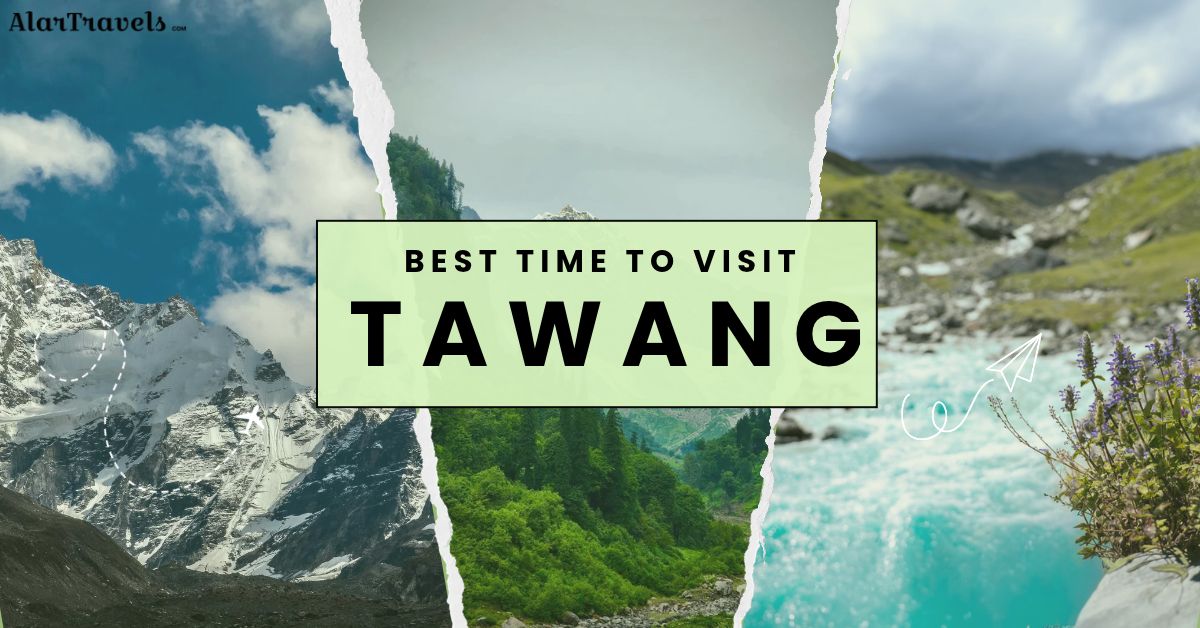
Tawang is beautiful in different ways throughout the year. Spring brings fresh mountain landscapes, summer offers comfortable sightseeing weather, autumn can deliver clear Himalayan views, and winter attracts travellers hoping to see snow-covered scenery. But the best time to visit Tawang depends on what you want from the trip-and how much flexibility you have with mountain-road travel.
The weather in Tawang can change quickly. Rain may delay road journeys, snowfall can affect access through Sela Pass, and conditions at high-altitude attractions can be very different from those in Tawang town. That is why choosing your travel month matters as much as choosing your destinations.
In this guide, you will find a month-by-month breakdown, the best season for different types of travellers, snowfall expectations, monsoon considerations, packing advice and practical ways to check conditions before departure.
If you are still planning your overall trip, start with our complete Tawang Travel Guide. It covers the wider planning process, including routes, permits, accommodation, itinerary and budget.
Quick Answer: What Is the Best Time to Visit Tawang?
For most travellers, April-May and October-early November are useful periods to consider for general sightseeing, depending on the weather and road conditions in the year you travel. Spring and early summer are popular for exploring the town and surrounding attractions, while autumn may offer crisp air and clearer mountain views.
However, there is no single best month for everyone.
- For comfortable sightseeing: April, May and October are good months to consider.
- For greener landscapes: June can be attractive, but rain may become more frequent.
- For clearer mountain views: October and early November can be rewarding when conditions cooperate.
- For a chance of snow: December to February offers winter conditions, but snowfall is not guaranteed on your travel dates.
- For budget-conscious travel: Compare accommodation and transport quotes for your dates rather than assuming one season is always cheapest.
- For travellers concerned about road disruption: Avoid choosing dates based only on photographs or seasonal averages. Check the latest official advisories before travelling.
The official Tawang District tourism website and its weather and accommodation information provide general seasonal guidance. Treat those patterns as a starting point, not a forecast for a specific day.
Understanding Tawang’s Weather Before You Book
Tawang is a high-altitude Himalayan destination. Its weather is influenced by elevation, the season and local mountain conditions. This means the experience can vary between Tawang town, Sela Pass and higher attractions such as Bum La Pass.
A sunny morning in town does not guarantee clear skies at a mountain pass. Likewise, a forecast for Tawang town cannot tell you whether every road or attraction will be accessible.
Before deciding on dates, think about three things:
- Your main purpose: Do you want comfortable sightseeing, autumn landscapes or a chance to experience snow?
- Your route: Will your journey cross Sela Pass, and have you allowed enough time for road delays?
- Your flexibility: Can you rearrange sightseeing or add an overnight stay if weather affects the journey?
If you want to compare attractions before choosing your travel dates, see our guide to the best places to visit in Tawang. It can help you prioritise the places that matter most to you.
Best Time to Visit Tawang Month by Month
Each month has a different balance of weather, scenery and travel considerations. The guide below describes broad seasonal tendencies, not guaranteed conditions. Snowfall, rainfall, temperatures and road access can vary from year to year.
January: Best for a Winter Atmosphere
January is one of the coldest months to consider for a Tawang trip. Travellers may encounter snow-covered surroundings and winter scenery, particularly at higher elevations, but snowfall is not guaranteed everywhere or throughout the month.
What to expect:
- Very cold conditions, especially at high-altitude locations.
- A chance of snow and frozen-looking landscapes.
- Possible road disruption during or after heavy snowfall.
- A greater need for warm clothing and flexible travel plans.
January may suit experienced winter travellers who are prepared for cold weather and delays. It is less suitable for anyone who needs a tightly scheduled trip or expects every attraction to remain accessible.
Travel tip: Keep your itinerary flexible and confirm road access before leaving for high-altitude attractions. Never walk on frozen lakes, even if the surface appears solid.
February: Winter Landscapes and Cold Conditions
February continues the winter season. Depending on recent weather, some areas may still have snow while others may have little or none. High-altitude roads can remain vulnerable to snow and ice.
February can appeal to travellers looking for a quieter winter experience, but the trip requires preparation. Do not plan it on the assumption that you will see fresh snowfall on a particular date.
Best for: Travellers who prioritise winter scenery and can adjust their plans.
Keep in mind: Confirm the condition of your intended route, carry suitable winter clothing and avoid rushing between high-altitude stops.
March: The Transition Towards Spring
March is a transition month. Conditions may begin to improve in some areas, but winter can still influence the weather at higher elevations. Early March and late March may feel quite different.
This month can work for travellers who want to experience the change of season without travelling in the peak summer period. However, it is important to check the latest conditions rather than assuming all snow or road-related problems will have ended.
Best for: Travellers with flexible dates who are comfortable with variable weather.
Travel tip: Keep warm layers in your day bag, even if the daytime weather in town feels comfortable.
April: A Good Month to Consider for Sightseeing
April is one of the months worth considering for a general Tawang sightseeing trip. Conditions may become more comfortable for exploring the town, monasteries and nearby attractions, although higher-altitude areas can remain cold.
It is also a useful month for travellers who prefer mountain scenery without making snowfall the main purpose of the journey.
What to plan:
- Sightseeing around Tawang town.
- Visits to monasteries and accessible viewpoints.
- A road itinerary with enough time for mountain travel.
- Warm clothing for early mornings, evenings and higher elevations.
April is not a guarantee of clear skies or open roads. Check the forecast and route updates close to departure.
May: Comfortable Conditions for a Broad Tawang Trip
May is another strong month to consider for general sightseeing. It can be suitable for travellers planning a mix of cultural attractions, scenic drives and visits to nearby lakes or viewpoints, subject to local access.
Because May can be popular, it is sensible to compare accommodation and transport options before finalising your dates.
Best for: First-time visitors, couples and families who want a general sightseeing trip rather than a dedicated winter experience.
Travel tip: Do not pack only for warm daytime conditions. Tawang is a mountain destination, and higher locations can remain cold.
June: Early Summer with Increasing Rain Considerations
June can offer attractive landscapes and opportunities for sightseeing, but it is also a month when rain may increasingly affect travel plans. The timing and intensity of rainfall vary each year.
If you travel in June, keep your schedule flexible. A long mountain-road journey can take more time than expected, especially when weather, traffic or road conditions change.
Pack a rain layer that is easy to reach during the journey. Our guide to rain jackets under ₹1,000 can help you compare budget options for ordinary travel and sightseeing. These budget products should not be treated as technical equipment for prolonged, severe mountain conditions.
Best for: Travellers who are comfortable with some uncertainty and are prepared to adapt their plans.
July: Monsoon Travel Requires Extra Caution
July falls within the monsoon period. Rainfall can affect visibility, outdoor sightseeing and mountain-road journeys. Landslides and road disruptions are possible, so this is not the month to plan a tightly packed itinerary without backup time.
A trip may still be possible depending on current conditions, but you should make decisions using up-to-date local information rather than relying on a general travel article.
Before travelling:
- Check official travel advisories and road updates.
- Avoid travelling through affected areas when authorities advise against it.
- Allow additional time between destinations.
- Confirm accommodation and transport arrangements.
- Avoid riverbanks and other restricted or dangerous areas during heavy rain.
For packing, a waterproof or water-resistant day bag can help protect ordinary travel essentials from showers. Read our waterproof backpack guide and check the product details carefully: a rain cover, water-resistant fabric and fully waterproof construction are not the same thing.
August: Rain and Road Conditions Remain Important
August is also within the monsoon season. Frequent rain may affect travel comfort and access, although conditions differ from one year to another.
If your main goal is clear mountain views or a predictable road trip, August may not be your first choice. If you have already booked, monitor official updates and be ready to change the order of your sightseeing.
Best for: Travellers with flexible plans who understand the limitations of monsoon mountain travel.
Avoid: Assuming that every attraction, pass or road will be accessible because a travel package lists it.
September: A Seasonal Transition
September can be a transition from the wetter monsoon period towards autumn, but the change is not immediate or identical every year. Early September may still bring substantial rain, while later conditions may improve in some periods.
This makes current conditions especially important when selecting dates.
What to consider:
- Check rainfall and road advisories close to departure.
- Keep buffer time for the journey.
- Confirm whether the places on your itinerary are accessible.
- Avoid assuming that a particular week will have clear skies.
September may suit travellers with flexible schedules, but it is important to understand the risks before booking non-refundable arrangements.
October: A Strong Option for General Sightseeing
October is often worth considering for travellers who want to explore Tawang without making winter snowfall the main objective. Autumn conditions may provide crisp air and attractive mountain views, although cloud cover, rain and local road conditions can still vary.
This is a useful month to plan a balanced trip that combines cultural attractions, scenic drives and time in Tawang town.
Best for:
- First-time visitors.
- Couples and families seeking general sightseeing.
- Travellers who want to explore several attractions without planning around deep winter conditions.
Travel tip: Higher-altitude locations can be much colder than the town. Keep warm layers accessible and check conditions before setting out.
November: Cooler Weather and the Approach of Winter
Early November may offer good sightseeing conditions in some years. As the month progresses, temperatures can drop and winter conditions may begin to affect higher elevations.
November can be a good option for travellers who want a cooler mountain experience but do not necessarily need a snow-focused trip. However, do not assume that the first half of the month will always be dry or that the second half will always bring snow.
Best for: Travellers who are prepared for cold weather and flexible enough to adjust their plans.
Before booking: Check the latest forecasts, road information and accommodation arrangements.
December: A Chance to Experience Winter in Tawang
December is a popular month to consider for a winter-themed trip. Snow may occur, particularly at higher elevations, but the timing and location of snowfall are unpredictable.
The main trade-off is that cold weather and snow can affect road access. A trip that looks straightforward on paper may require extra time or changes to the planned route.
Best for: Travellers who want a winter atmosphere and can accept uncertainty.
Plan carefully:
- Carry proper warm layers, gloves and suitable footwear.
- Confirm road access before heading to high-altitude areas.
- Allow buffer time for the return journey.
- Avoid booking a schedule that depends on visiting every attraction on a fixed day.
If snow is your main reason for visiting, plan for the possibility that you may see less snow than expected-or none at your chosen locations.
Which Season Is Best for Your Type of Trip?
Choosing the best time to visit Tawang becomes easier when you start with your travel priorities rather than a month alone.
For First-Time Visitors
April, May and October are sensible months to compare for a general sightseeing trip. They can offer a useful balance for exploring Tawang town and planning visits to nearby attractions, depending on the weather in the year you travel.
Allow enough time for the road journey and avoid trying to cover every attraction in a single day.
For Snow Lovers
December, January and February are the main winter months to consider if snow is important to you. However, snow is never guaranteed on a specific date, and road access can change quickly.
Do not put yourself at risk to get a photograph or reach a snow-covered location. Follow local instructions and stay away from frozen lake surfaces.
For Mountain Views and Photography
October and early November can be worth considering for autumn scenery. Spring can also be attractive, depending on visibility and local conditions.
Photographic conditions are weather-dependent. Cloud cover, fog and rain may hide distant peaks even during a month that is generally considered favourable.
For Families and Older Travellers
Consider comfort, road duration, temperature and the needs of everyone travelling. A season that looks attractive in photographs may not be suitable for someone who struggles with cold or high altitude.
Tawang and its surrounding attractions are at high elevations. Read current official guidance and consult a medical professional before travelling if anyone in your group has a relevant health concern.
For Budget-Conscious Travellers
Do not assume that one month will always be the cheapest. Prices can vary with demand, holidays, room availability, transport arrangements and the type of accommodation you choose.
Compare actual quotes for your intended dates and include a contingency budget for delays or an extra night. If you are deciding how long to stay, our Arunachal Pradesh itinerary guide includes different trip durations and route-planning ideas, including Tawang-focused journeys.
Does It Snow in Tawang? Best Months for Snowfall
Yes, snowfall can occur in Tawang and the surrounding high-altitude areas during winter. December to February is generally the period to consider if you want a chance of seeing snow.
But there are three important distinctions:
- Tawang town and high-altitude areas are not the same: Conditions can differ significantly by elevation.
- Snowfall is not guaranteed: Seasonal patterns cannot predict the weather on your exact dates.
- Snow does not guarantee access: Heavy snowfall or ice may disrupt roads and prevent access to particular attractions.
If seeing snow is essential to your trip, keep alternative activities in your itinerary and confirm local conditions before travelling. Never walk on a frozen lake, and do not enter restricted areas to get closer to snow.
For the wider planning process, including routes and other important travel details, refer to our complete Tawang travel guide.
Is Monsoon a Good Time to Visit Tawang?
Monsoon travel needs more careful planning because rain can affect visibility, outdoor activities and road conditions. The official Tawang District tourism information warns of frequent rainfall and occasional landslides during the July-September period.
That does not mean every road is always closed throughout the monsoon. It means you should not assume that a planned journey will run exactly as scheduled.
If you travel during this period, keep your itinerary flexible and use official updates to make decisions. Do not travel through areas where authorities have issued restrictions or safety warnings.
What Should You Pack for Monsoon Travel?
Pack for rain, cold conditions and delays rather than only for the forecast you see several days before departure.
Useful items may include:
- A rain jacket or other suitable rainwear.
- A backpack rain cover or protective bag for your essentials.
- Waterproof pouches for documents and electronics.
- Shoes with good grip for ordinary sightseeing.
- Warm layers and spare socks.
- Any medicines and personal essentials you normally need.
For a budget rainwear comparison, see our guide to rain jackets under ₹1,000. If you need a bag for travel essentials, compare the options in our waterproof backpack guide. Check each product’s current specifications and limitations before buying; budget rainwear and backpacks are not a substitute for proper equipment in severe conditions.
You can also browse the wider Travel Essentials collection for other items that may be useful on your trip.
How Weather Affects the Road Journey to Tawang
The road journey is an important part of planning a Tawang trip. Many travellers reach the region through Assam and continue via places such as Bhalukpong, Bomdila and Dirang before crossing the high-altitude route towards Tawang.
The journey can take longer than expected because of mountain roads, traffic, weather or local restrictions. Conditions around Sela Pass are particularly important during winter and periods of heavy rain or snow.
Before leaving, check the official How to Reach Tawang guide and the Tawang travel advisories. Recheck them close to departure, because general route information does not confirm that a road is open right now.
How to Build a Flexible Itinerary
A practical Tawang itinerary should leave room for delays instead of allocating every available hour to sightseeing.
- Avoid scheduling an important flight or train connection immediately after a long mountain-road journey.
- Keep an extra time buffer where possible.
- Confirm arrangements with your driver or tour operator.
- Be prepared to skip a stop if conditions make it unsafe.
- Consider an overnight halt along the route when it suits your schedule and helps avoid an unnecessarily long driving day.
If you need help choosing the route and duration for your dates, our Arunachal Pradesh itinerary guide can help you compare trip lengths. You can also use the Tawang Travel Guide to organise the other parts of your plan.
How to Check Tawang Weather and Road Conditions Before Travelling
Seasonal advice is useful for deciding when to go, but it cannot tell you the conditions on a particular travel date. Use current information before departure and continue checking during your journey.
1. Check the Weather Forecast: Use the India Meteorological Department website for weather information. Check the forecast close to your departure date and pay attention to warnings for the wider route, not only Tawang town.
2. Check Official District Advisories: Visit the Tawang District website and look for current travel, weather and safety notices. Official restrictions and instructions should take priority over older travel articles or social media posts.
3. Confirm the Route Locally: Ask your accommodation, driver or tour operator to confirm the latest route conditions before setting off. This is particularly important when travelling towards Sela Pass or other high-altitude attractions.
4. Keep a Backup Plan: Have an alternative activity or a spare day where possible. If a road is closed or an authority advises against travel, change your plan rather than taking an unnecessary risk.
5. Follow Local Safety Instructions: Tawang’s official advisories highlight high-altitude precautions, the danger of walking on frozen lakes, and the need to monitor weather and road conditions. Follow local authorities and trained drivers, and avoid restricted areas.
Final Verdict: When Should You Plan Your Tawang Trip?
For a first visit focused on sightseeing, compare April, May and October first. If you want a winter experience and a chance of snow, consider December to February, while accepting that conditions may disrupt access. If you travel during the monsoon, give road safety and flexibility much more importance.
The smartest approach is to choose your preferred season, plan a realistic route, allow time for delays and verify current conditions before travelling. A good Tawang trip is not about visiting every place on a fixed schedule; it is about enjoying the journey while making sensible decisions when mountain weather changes.
Ready to plan your trip? Explore our complete Tawang Travel Guide, compare route ideas in the Arunachal Pradesh itinerary guide, and use the Custom Trip Planner to plan around your dates, interests and travel style.
Travel information note: Seasonal descriptions are general guidance. Weather, road access, permits, attraction access and transport arrangements can change. Always verify current official information before departure.
Frequently Asked Questions
What is the best month to visit Tawang?
April, May and October are useful months to consider for general sightseeing, depending on the weather and road conditions in the year you travel. If your priority is snow, consider the winter months, but remember that snowfall and access cannot be guaranteed.
Which is better for Tawang: April or October?
Both are worth considering for a general sightseeing trip. April is part of the spring-to-summer transition, while October is in the autumn period. The better choice depends on your preferred scenery, travel dates and the latest forecast.
Can I visit Tawang in December?
Yes, a December trip may be possible, but it requires preparation for cold weather and potential road disruption. Check the latest official advisories before departure and keep your itinerary flexible.
Is snowfall guaranteed in Tawang in January?
No. January is within the winter season, but snowfall depends on actual weather conditions and can vary between Tawang town and higher elevations. Do not book on the assumption that snow will be visible on a particular date.
Is July a good time to visit Tawang?
July is part of the monsoon season, when rain and possible landslides can affect travel. If you plan to go, check official advisories, allow extra time and be prepared to change your itinerary.
How many days should I plan for Tawang?
The right duration depends on your route, transport and the attractions you want to visit. Do not underestimate mountain-road travel time. Compare the route options in our Arunachal Pradesh itinerary guide before finalising your dates.
What should I pack for Tawang?
Pack warm layers, comfortable footwear, rain protection and the personal essentials you need. Your exact packing list should depend on the month, current forecast and planned activities. For a wider planning checklist, start with our Tawang Travel Guide.
Should I book a Tawang trip before checking the weather?
You can research options in advance, but check current forecasts and official road advisories before departure. If you book accommodation or transport early, understand the cancellation and rescheduling terms, particularly for winter and monsoon travel.