

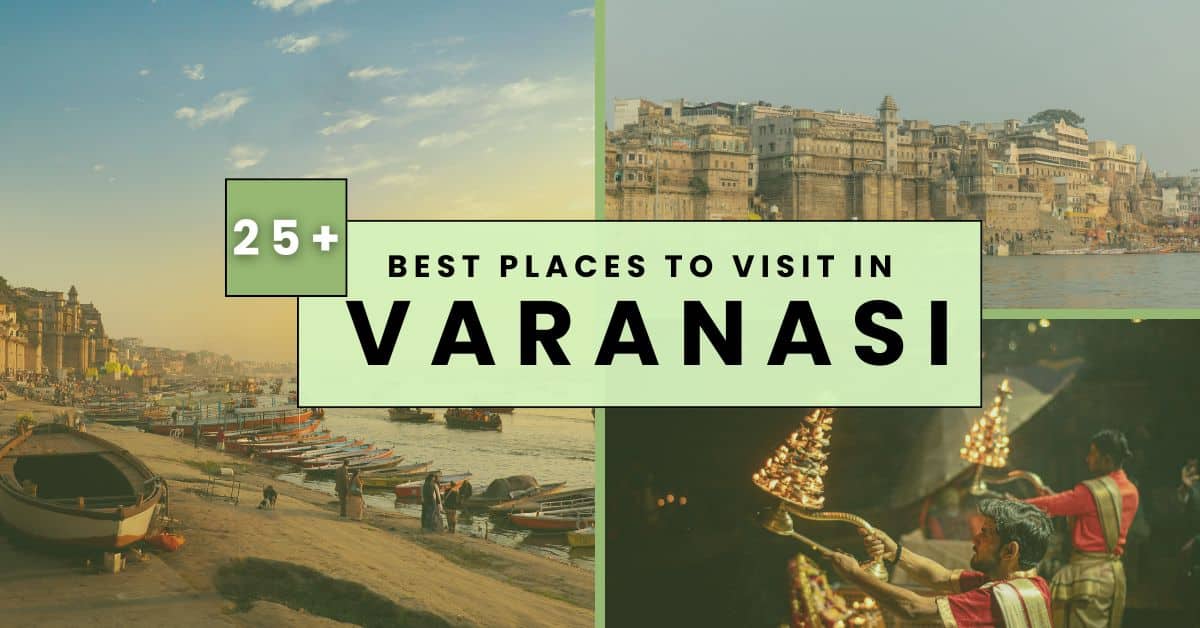
Planning your first trip to Varanasi can feel strangely confusing. You open one travel guide after another, and somehow every list looks the same. Yet the real questions remain unanswered. Which ghats are actually worth your time? Is the famous Ganga Aarti better from the steps or a boat? Does Sarnath deserve half a day? And how do you avoid spending most of your trip stuck in traffic between attractions?
I’ve been in that situation too-trying to fit the best places to visit in Varanasi into a limited schedule without missing the experiences that make the city special. This isn’t another copied list of landmarks. Instead, it’s a practical guide built around how people actually explore Varanasi, with honest notes about crowds, timings, costs, and little details that can make your trip smoother.
If you’re still planning the overall trip, our guide on How To Plan A Perfect Weekend Trip can help you organise your days before deciding which attractions to visit.
Why Is Travel Important in Our Life: 10 Benefits of Travel
Travel is more than just visiting new places- it’s about finding new parts of yourself. Why is travel important in our life? This question often comes to mind when we feel the urge to explore. Traveling has many benefits that make our lives better. It helps us see new things, feel happier, and learn more about the world. Continue Reading ►
Quick Comparison Table: Best Places to Visit in Varanasi at a Glance
Before getting into the details, here’s a quick overview to help you plan. These timings, fees, and suggested visit durations are approximate and may change because of festivals, local events, or administrative updates. It’s always worth checking the latest information before your visit.
| Attraction | Area | Approx. Entry Fee | Time Needed | Best Time to Visit | Suitable For |
|---|---|---|---|---|---|
| Kashi Vishwanath Temple | Old City | Free | 1-2 hrs | Early morning | Pilgrims, families |
| Dashashwamedh Ghat | Riverfront | Free | 2 hrs | Evening | Everyone |
| Assi Ghat | Southern Ghats | Free | 1-2 hrs | Sunrise | Couples, photographers, solo travellers |
| Manikarnika Ghat | Old City | Free | 30-45 mins | Daytime | Cultural travellers |
| Sunrise Boat Ride | Ganga River | Approx. ₹150-₹800+ | 1-2 hrs | Before sunrise | Photographers, first-time visitors |
| Sarnath | Around 10 km away | Museum ticket applies | Half day | Morning | History lovers, families |
| Ramnagar Fort | Across the Ganga | Approx. museum fee | 2 hrs | Late afternoon | Heritage lovers |
| BHU & New Vishwanath Temple | South Varanasi | Free | 2 hrs | Morning or evening | Families, students |
The comparison table is only meant to simplify your planning. Every attraction offers a very different experience, so it’s worth reading the detailed sections before deciding what to include.
Why Visit Varanasi?
Some cities impress you with monuments. Varanasi does something different-it pulls you into everyday life. One moment you’re standing inside an ancient temple queue, and the next you’re watching children fly kites above centuries-old ghats while priests prepare for the evening rituals.
I’ll be honest, Varanasi isn’t for everyone. The narrow lanes can feel crowded, traffic moves slowly, and during major festivals the city becomes even busier. If you’re expecting spotless streets and perfectly organised sightseeing, you may find the first day overwhelming.
But stay a little longer.
The soft sound of temple bells mixing with the splash of wooden boats against the Ganga creates an atmosphere that’s difficult to explain until you experience it yourself.
That’s why so many people return.
Apart from its spiritual importance, Varanasi offers something for almost every traveller. Pilgrims come for the temples. History lovers explore Sarnath and Ramnagar Fort. Photographers wait patiently for sunrise along the river. Food lovers wander into tiny shops serving hot kachoris, creamy lassi, and Banarasi paan.
We at AlarTravels always encourage readers to slow down here rather than trying to tick off every attraction. The city reveals itself gradually. A quiet walk between Assi Ghat and Dashashwamedh Ghat often becomes just as memorable as visiting a famous landmark.
25 Best Places to Visit in Varanasi
1. Kashi Vishwanath Temple
If there is one place that defines Varanasi, it is the Kashi Vishwanath Temple. Dedicated to Lord Shiva, this temple is among the most sacred pilgrimage sites for Hindus and attracts visitors from across India throughout the year.
The temple itself is impressive, but reaching it is part of the experience. You’ll walk through narrow lanes lined with flower sellers, sweet shops, and devotees carrying offerings. The scent of fresh marigold garlands lingers in the air long before the temple comes into view.
Be prepared for security checks. Mobile phones, cameras, electronic devices, and large bags are generally not allowed inside, so you’ll need to use the designated locker facilities nearby. During festivals such as Mahashivratri or Shravan, security queues can become considerably longer, so arriving early in the morning usually saves both time and patience.
Entry to the temple is free, although special darshan options may be available at different times. Plan roughly one to two hours for your visit depending on the crowd.
It isn’t the easiest attraction for travellers who dislike queues. Still, if this is your first visit to Varanasi, missing the temple would leave a significant gap in your experience. After darshan, you can comfortably continue towards Dashashwamedh Ghat on foot.
2. Dashashwamedh Ghat
Dashashwamedh Ghat is where many first-time visitors fall in love with Varanasi. Throughout the day, you’ll find pilgrims taking holy dips, priests performing rituals, boatmen calling out for passengers, and travellers simply sitting on the wide stone steps watching the river flow.
Everything changes around sunset.
The famous Ganga Aarti begins to take shape as priests dressed in coordinated traditional attire prepare large brass lamps for the ceremony. The rhythmic sound of conch shells echoes across the river before the rituals even begin.
The atmosphere is unforgettable.
I’ll be honest though-it isn’t the best choice if you’re looking for peace and quiet. Weekends, public holidays, and winter evenings attract enormous crowds. Reaching an hour before sunset usually gives you a much better chance of finding a comfortable place on the steps.
Some travellers prefer watching the ceremony from a boat, while others enjoy being closer to the action from the ghat itself. Neither option is objectively better; it depends on whether you want a wider view or a more immersive experience.
Photography is allowed from public areas, but remember that religious ceremonies deserve respectful behaviour. Avoid blocking people’s view just to capture the perfect picture.
3. Assi Ghat
If Dashashwamedh Ghat feels energetic, Assi Ghat feels more relaxed.
Many locals and experienced travellers actually begin their day here instead of waiting until evening. The popular Subah-e-Banaras morning programme combines devotional music, yoga sessions, and cultural performances beside the river. Watching the first rays of sunlight slowly brighten the water is one of those simple moments that stays with you long after the trip ends.
The cool morning breeze across the Ganga makes waking up early feel completely worthwhile.
This area is also surrounded by cafés, bookstores, and small restaurants, making it a pleasant place to spend a slow morning after a sunrise walk. If you enjoy walking, the route from Assi Ghat towards Dashashwamedh passes several smaller ghats that many visitors otherwise miss.
It may not suit travellers trying to cover the city in only a few rushed hours. But if your schedule allows, spending extra time here gives you a gentler introduction to Varanasi than diving straight into the busiest parts of the old city.
Families, photographers, couples, and solo travellers usually appreciate the calmer atmosphere. We at AlarTravels often feel this is one place where slowing down actually improves the experience.
4. Manikarnika Ghat
Manikarnika Ghat is unlike any other attraction in Varanasi, and it’s important to approach it with the right mindset. This is not simply another sightseeing stop-it remains one of the oldest and most active cremation grounds in India, carrying immense religious significance for Hindu families.
Some visitors decide to skip it because of the emotional intensity. That’s completely understandable.
If you do visit, go quietly and respectfully. Photography is strongly discouraged, and in many situations it is considered deeply insensitive. Observing from a respectful distance allows you to appreciate the cultural and spiritual importance of the site without intruding on private moments of grief.
The constant glow of funeral pyres against the riverbank creates a powerful reminder of the cycle of life and death that Varanasi has represented for centuries.
A visit usually takes less than an hour, but it leaves a lasting impression.
Maybe it isn’t for everyone, and I could understand why someone might choose not to include it in their itinerary. Even so, for travellers genuinely interested in understanding the spiritual identity of Varanasi beyond its famous temples and ceremonies, Manikarnika Ghat offers a perspective that few other places can.
5. Sunrise Boat Ride on the Ganga
If you can wake up before dawn just once in Varanasi, make it for a sunrise boat ride on the Ganga. It sounds like a tourist cliché until you’re actually out on the water. Then you understand why so many people call it the highlight of their trip.
Most boats start leaving around sunrise, so it’s worth reaching the ghat while it’s still slightly dark. As the sky slowly turns orange, you’ll drift past famous ghats like Assi, Dashashwamedh, Manikarnika, and several smaller riverfronts that are difficult to appreciate from land alone. The gentle splash of wooden oars against the river is often the only sound for a few peaceful minutes.
Boat prices vary depending on the season, demand, and whether you choose a shared or private boat. Shared rides usually cost approximately ₹150-₹300 per person, while private boats can range from around ₹500 to ₹800 or more. It’s common to negotiate politely before boarding.
I’ll be honest-this experience isn’t ideal if you’re travelling during peak winter weekends and dislike crowds. The ghats become busy before sunrise, and boats fill up quickly. Even then, I think the early start is worth it because Varanasi feels completely different from the river than it does inside its narrow lanes.
Plan for about one to two hours. Carry a light jacket during winter mornings, keep your phone secured, and simply enjoy watching the city wake up at its own pace.
6. Sarnath
About 10 kilometres from the heart of Varanasi lies Sarnath, one of the most important Buddhist pilgrimage sites in the world. According to Buddhist tradition, this is where Lord Buddha delivered his first sermon after attaining enlightenment.
If you only have one day in Varanasi, you might prefer to stay within the old city. That’s perfectly reasonable. But if you have two days, Sarnath deserves a place in your itinerary.
The main attraction is the massive Dhamek Stupa, surrounded by beautifully maintained gardens and ancient monastery ruins. Standing beside the enormous stone structure gives you a sense of how significant this place has been for centuries. The quiet atmosphere is a striking contrast to the constant movement around the ghats.
Nearby, you’ll also find the Archaeological Museum, which houses remarkable sculptures and the famous Ashokan Lion Capital, India’s national emblem. Museum entry usually requires a separate ticket, and it’s worth checking the latest timings before visiting.
The peaceful sound of leaves rustling through the gardens makes Sarnath feel worlds away from the busy lanes of Varanasi.
A half-day is usually enough to explore the major attractions without rushing. You can hire an auto-rickshaw, taxi, or app-based cab from Varanasi, although travel time depends on traffic.
We at AlarTravels usually suggest visiting Sarnath in the morning, especially during summer, when the afternoon heat can become tiring. It may not suit travellers looking only for temples and rituals, but history lovers and families generally find it one of the most rewarding places near Varanasi.
7. Ramnagar Fort
Situated on the eastern bank of the Ganga, Ramnagar Fort offers a different side of Varanasi. Instead of crowded temple lanes and busy ghats, you’ll find a riverside palace that reflects the city’s royal heritage.
The fort, built in the 18th century, is still associated with the former Maharaja of Banaras and contains a museum displaying vintage cars, royal costumes, old weapons, manuscripts, and antique furniture. Some parts of the museum feel dated, and a few galleries show their age. That honesty is part of the experience rather than a disappointment.
The echo of your footsteps through the old corridors reminds you that this is a lived-in piece of history, not a polished modern museum.
Entry requires a ticket, and fees may change over time, so it’s best to check the latest rates before visiting. Plan approximately two hours for the fort and museum.
Getting here is fairly simple by auto-rickshaw, taxi, or private vehicle, depending on where you’re staying. Some visitors even combine the fort with a boat ride across the river, though boat availability depends on water levels and local conditions.
This isn’t a must-see for every traveller. If your schedule is extremely tight, the ghats and temples should take priority. But if you enjoy architecture, history, or photography, Ramnagar Fort provides a slower and quieter experience that balances the intensity of central Varanasi.
8. Banaras Hindu University & New Vishwanath Temple
Banaras Hindu University (BHU) is much more than a university campus. Founded by Pandit Madan Mohan Malaviya, it is one of India’s most respected educational institutions and offers visitors a refreshing break from the crowded streets of the old city.
Wide tree-lined roads, open spaces, and academic buildings create an atmosphere that feels surprisingly calm after spending time around the ghats. The shade from the large avenue trees makes even a simple walk across the campus enjoyable, especially during the morning hours.
Within the campus stands the New Vishwanath Temple, also known as the Birla Temple. Unlike the older Kashi Vishwanath Temple, this temple is spacious, less crowded on most days, and easier for many visitors to explore at a relaxed pace. The white marble structure stands out beautifully against the greenery surrounding it.
If you have an interest in art and history, you can also combine your visit with the nearby Bharat Kala Bhavan Museum, making this part of the city worth half a day.
I’ll be honest-travellers focused only on religious sightseeing sometimes skip BHU because it doesn’t have the same ancient atmosphere as the old city. I could be wrong, but I think that’s a mistake. Walking through the campus shows another side of Varanasi that’s modern, intellectual, and deeply connected to Indian culture.
Plan around two hours for the campus and temple. Comfortable footwear is useful because you’ll be walking more here than at most other attractions.
9. Bharat Kala Bhavan Museum
If you’ve spent the morning hopping between temples and ghats, Bharat Kala Bhavan Museum offers a welcome change of pace. Located inside the Banaras Hindu University campus, this museum is one of the finest places in Varanasi to understand the city’s artistic and cultural heritage.
The galleries showcase an impressive collection of miniature paintings, ancient sculptures, textiles, coins, manuscripts, and archaeological artefacts from different periods of Indian history. You don’t need to be an art expert to enjoy it. Simply walking through the exhibits gives you a better appreciation of how deeply Varanasi has influenced Indian culture over the centuries.
The quiet galleries, filled with soft natural light, make it easy to slow down and really notice the details.
Entry rules and timings can change, so it’s worth checking the latest information before your visit. Plan around one to one and a half hours if you want to explore comfortably.
I’ll admit this museum won’t appeal to everyone. If you’re travelling with young children who prefer outdoor attractions, they may lose interest fairly quickly. But for history lovers, students, photographers, and anyone curious about Banaras beyond its temples, this is one of the city’s most rewarding stops.
Because it’s close to the New Vishwanath Temple, visiting both together makes practical sense and saves unnecessary travel time.
10. Tulsi Manas Mandir
Tulsi Manas Mandir is one of the most peaceful temples in Varanasi, dedicated to Lord Rama and closely associated with the poet-saint Goswami Tulsidas, who is believed to have written the Ramcharitmanas in this area.
Unlike many older temples in the city, the temple features a bright white marble structure with verses from the Ramcharitmanas beautifully engraved on its walls. Even visitors who aren’t familiar with the text often spend time reading the inscriptions or simply enjoying the calm surroundings.
The polished marble reflects the morning sunlight beautifully, giving the temple a bright and welcoming feel.
Entry is generally free, and around 30 to 45 minutes is enough for most visitors. Morning and early evening are usually the most comfortable times to visit, especially during the hotter months.
This may not be the first place you’d prioritise if you only have a few hours in Varanasi. Still, if you’re interested in Hindu literature, architecture, or quieter spiritual spaces, it’s definitely worth adding to your itinerary.
Tulsi Manas Mandir is also close to Durga Kund Temple and Sankat Mochan Hanuman Temple, making it easy to combine all three in a single outing.
11. Sankat Mochan Hanuman Temple
Dedicated to Lord Hanuman, Sankat Mochan Temple is one of the most loved temples in Varanasi. Devotees visit throughout the day to seek blessings, particularly on Tuesdays and Saturdays when the temple becomes noticeably busier.
The temple isn’t known for grand architecture. Instead, it’s the atmosphere of devotion that leaves the strongest impression. People quietly recite prayers, offer laddoos to Hanuman, and spend a few peaceful moments inside before continuing their journey.
The fragrance of fresh marigold flowers and incense greets you almost as soon as you enter the temple complex.
Entry is free, but like several important temples in Varanasi, security procedures may restrict large bags or electronic items during busy periods. It’s always easier to carry only the essentials.
I’ll be honest-if you’re uncomfortable around monkeys, stay alert while walking around the temple premises. They are common here and are known to grab food or loose belongings from distracted visitors.
A visit usually takes around 45 minutes. Because the temple is close to BHU and Tulsi Manas Mandir, it’s easy to include all three attractions in the same part of your day.
12. Durga Kund Temple
Durga Kund Temple, often called the Monkey Temple by visitors, is another important stop for those exploring Varanasi’s religious landmarks. Dedicated to Goddess Durga, the temple is instantly recognisable because of its striking red exterior and the large sacred pond, or kund, beside it.
Local tradition holds that the idol of the goddess was not crafted by human hands but appeared on its own, making the temple especially significant for devotees.
The still water of the pond reflects the red temple walls, creating a lovely scene during the softer light of early morning.
Entry is free, and most visitors spend around 30 to 45 minutes here. During Navratri, the temple attracts huge crowds, so visiting on a weekday outside festival periods usually offers a much calmer experience.
This attraction may not feel dramatically different if you’ve already visited several temples in one day. That’s why many travellers combine it with Tulsi Manas Mandir and Sankat Mochan Temple rather than treating it as a separate trip.
Comfortable footwear and modest clothing are recommended, and remember to respect local customs inside the temple complex.
13. Bharat Mata Temple
Bharat Mata Temple stands apart from almost every other temple in Varanasi because it isn’t dedicated to a particular deity. Instead, it honours Mother India, symbolising the nation itself.
The centrepiece of the temple is a remarkable three-dimensional marble relief map of undivided India, showing mountains, rivers, and plains in intricate detail. It’s surprisingly fascinating to study, especially if you enjoy geography or history.
The cool stone floor and quiet hall create a reflective atmosphere that’s very different from the city’s busier temples.
Entry is generally free, and you’ll need around 30 minutes for your visit. The temple is particularly interesting for students, families, and travellers who appreciate India’s freedom movement and cultural history.
I’ll admit this isn’t an attraction everyone includes on their first Varanasi itinerary. If you’re mainly visiting for religious reasons, you may prefer spending more time at the ghats instead. But if you’re curious about India’s historical identity and unique landmarks, Bharat Mata Temple offers something genuinely different.
It’s an easy stop to combine with nearby attractions without adding much extra travel time.
14. Kaal Bhairav Temple
Among the many temples in Varanasi, Kaal Bhairav Temple holds a special place in local belief. Lord Kaal Bhairav is regarded as the guardian deity of the city, and many devotees believe a visit to Varanasi is incomplete without seeking his blessings.
The temple attracts a steady stream of worshippers throughout the day, especially during religious festivals and auspicious occasions. The surrounding lanes are lined with small shops selling flowers, sweets, and offerings for devotees.
The rhythmic ringing of brass bells creates an energetic atmosphere from the moment you approach the entrance.
Entry is free, although queues can become quite long during weekends and festival periods. Early morning visits are generally more comfortable.
This isn’t the most spacious temple in Varanasi, so travellers who struggle with crowded places should plan their visit carefully. Even then, the temple remains deeply significant for many pilgrims and is well worth experiencing if you’re interested in the city’s spiritual traditions.
Allow approximately 45 minutes, including waiting time during normal days.
15. Raj Ghat
Raj Ghat sits slightly away from the busiest tourist areas, making it a good choice for travellers looking to experience a quieter side of the riverfront. Located near the historic Malviya Bridge, this ghat is less crowded than Dashashwamedh or Assi and offers broad views across the Ganga.
Unlike the city’s famous ceremonial ghats, Raj Ghat feels slower and more residential. Local people gather here for morning walks, conversations, and peaceful moments beside the river.
The wide stretch of calm water beneath the bridge gives this part of the Ganga a surprisingly open feel.
If you’re expecting large ceremonies or colourful evening events, this may not be the right stop for you. That’s completely fine. Raj Ghat is better suited to travellers who enjoy photography, quiet riverside walks, or simply sitting away from the busiest crowds.
Entry is free, and around 30 to 45 minutes is usually enough unless you’re spending extra time taking photographs.
It also provides an interesting contrast to the more famous ghats, showing how everyday life along the river continues beyond the main tourist circuit.
16. Chunar Fort (Nearby)
If you have an extra half-day and don’t mind travelling outside the city, Chunar Fort makes an interesting excursion from Varanasi. Located roughly 35 to 40 kilometres away, the fort overlooks the Ganga from a rocky hill and has witnessed centuries of changing rulers, including the Mughals and the British.
The fort combines impressive stone gateways, ancient walls, temples, wells, and panoramic viewpoints overlooking the surrounding landscape. Walking through the old pathways feels very different from exploring Varanasi’s narrow streets.
A warm breeze carrying the scent of the river drifts across the fort’s open ramparts during the late afternoon.
Reaching Chunar is fairly straightforward by taxi, private car, or local train followed by a short auto-rickshaw ride. Travel time varies depending on traffic but usually takes around one to one and a half hours each way.
I’ll be honest-this trip isn’t ideal if you’re only spending one day in Varanasi. In that case, your time is much better spent exploring the ghats and temples. But for history enthusiasts or repeat visitors who want to see something beyond the city’s spiritual landmarks, Chunar Fort is a worthwhile extension.
Plan for at least four to five hours, including travel, and carry drinking water if you’re visiting during the warmer months.
Hidden Places Most Tourists Miss
Most first-time visitors spend almost all their time around Kashi Vishwanath Temple, Dashashwamedh Ghat, and Assi Ghat. That’s understandable-they’re famous for a reason. But if your schedule allows even a couple of extra hours, a few quieter corners of Varanasi can show you a side of the city that many travellers never experience.
I’ll be honest, these places aren’t “hidden” in the sense that nobody knows about them. Local people certainly do. They’re simply overlooked because they don’t appear near the top of every sightseeing list.
Scindia Ghat
Scindia Ghat sits just north of Manikarnika Ghat and is much calmer than its famous neighbour. One of the most interesting sights here is the partially submerged Shiva temple leaning gently into the Ganga. During lower water levels, it’s especially striking.
The reflection of the tilted temple in the early morning water creates a memorable scene for photographers.
This ghat suits travellers who enjoy slow walks and quiet observation more than crowds or ceremonies.
Ahilyabai Ghat
Named after Queen Ahilyabai Holkar, this riverside stretch is usually less crowded than Dashashwamedh. It’s a pleasant place to sit for a while without feeling surrounded by hundreds of visitors.
Nothing dramatic happens here.
That’s exactly the appeal.
If your idea of travel includes simply watching daily life unfold, this is a rewarding stop.
Vishwanath Gali
Most people rush through this narrow lane on their way to the temple. That’s a mistake. Spend a little time exploring the tiny shops selling Banarasi silk, brass lamps, sweets, wooden toys, and religious items.
Fresh jalebis frying in large iron pans fill the lane with an irresistible aroma.
The lane becomes extremely crowded during festival periods, so early mornings are usually easier to explore.
Local Markets Around Godowlia
Godowlia isn’t a polished shopping district, but it’s one of the best places to understand everyday Varanasi. From silk sarees to spice shops and street snacks, the market reflects the city’s busy commercial life.
Be prepared for traffic, pedestrians, cycle rickshaws, and scooters all sharing surprisingly little space.
It isn’t for everyone.
If crowded streets make you uncomfortable, keep this visit short. Otherwise, it’s one of the most authentic parts of the city.
Riverside Walk Between Assi Ghat and Dashashwamedh
Many visitors take a boat ride but skip walking along the ghats themselves. If the weather is pleasant, this riverside walk is one of the simplest yet most rewarding experiences in Varanasi.
You’ll pass priests performing rituals, students chatting on the steps, local families relaxing by the river, and several smaller ghats that rarely appear in travel brochures.
We at AlarTravels often think these unplanned moments become the strongest memories of the trip.
Best Places to Watch Sunrise and Sunset
Ask ten people about the best view in Varanasi and you’ll probably hear ten different answers. That’s because the experience depends on what you’re looking for. Some people want peaceful mornings. Others want colourful ceremonies and lively evenings.
Best Sunrise Spot: Assi Ghat
If you only wake up early once during your trip, make it for Assi Ghat.
Before sunrise, the atmosphere feels calm and unhurried. Locals arrive for yoga, morning prayers, and walks along the river while boats slowly begin appearing on the water.
The first orange light spreading across the Ganga is surprisingly gentle rather than dramatic.
For photographers, this is usually the easiest place to capture wide river views without battling enormous crowds.
A sunrise boat ride starting from Assi Ghat offers an even better perspective, although boat availability and prices vary by season.
Best Sunrise from the River
Maybe this isn’t everyone’s idea of a holiday morning. Getting up before dawn isn’t easy.
But if you can manage it, watching the city slowly wake up from a wooden boat is one of those experiences people continue talking about long after returning home.
The ghats gradually come alive with temple bells, morning rituals, and people beginning their day.
It’s peaceful.
Best Sunset Spot: Dashashwamedh Ghat
For sunset, Dashashwamedh Ghat remains the obvious choice because the famous Ganga Aarti begins shortly afterwards.
Try to arrive at least an hour before the ceremony, especially on weekends or during winter holidays. The steps fill quickly, and boats offering river views also become busy.
If you dislike large crowds, I’ll admit this may not be your favourite evening. But if you’re visiting Varanasi for the first time, the atmosphere is difficult to replace.
The warm glow of dozens of ceremonial lamps reflecting on the river creates one of the city’s most recognisable sights.
Best Alternative Sunset View
If the crowds at Dashashwamedh feel overwhelming, consider returning to Assi Ghat instead.
The sunset is quieter here, and you’ll still enjoy beautiful river views without constantly competing for space.
Sometimes the quieter option is the better one.
Best Local Food Near These Attractions
No trip to Varanasi feels complete without trying its famous street food. You don’t need expensive restaurants to eat well here. In fact, many of the city’s most memorable flavours come from tiny shops that have been serving the same recipes for generations.
Rather than chasing a single “best” restaurant, it’s usually better to sample local specialities wherever you find busy, well-established vendors with good hygiene.
Kachori Sabzi
This is one breakfast you shouldn’t miss.
Freshly fried kachoris served with spicy potato curry are a favourite among locals, particularly around the old city near Kashi Vishwanath Temple and Vishwanath Gali.
The crisp sound of a hot kachori breaking open is almost as satisfying as the first bite.
Morning is the best time because many shops sell out surprisingly early.
Tamatar Chaat
If you’ve never tried Banarasi tamatar chaat, prepare for something very different from regular chaat. Tomatoes are slowly cooked with spices before being topped with crunchy namkeen, coriander, and other ingredients.
It may sound unusual.
Trust the locals on this one.
Popular street food areas around Godowlia and Dashashwamedh often have several respected vendors.
Banarasi Lassi
After walking through temples and ghats, a thick Banarasi lassi is incredibly refreshing.
Served in traditional clay cups at many long-running shops, the drink is usually topped with fresh cream, saffron, or chopped nuts.
The cool earthen cup adds a subtle earthy aroma that makes the drink feel even more refreshing.
Prices vary depending on the shop, but they’re generally affordable.
Banarasi Paan
Even travellers who don’t usually eat paan often try Banarasi paan at least once because it’s such a well-known local tradition.
You’ll find countless paan shops throughout the old city. If you’re unsure what to order, simply ask for a sweet paan.
It makes a pleasant end to an evening food walk.
Local Sweets
Varanasi is also famous for traditional Indian sweets like rabri, peda, and malaiyyo during the winter season.
Malaiyyo deserves special mention because it’s only available during colder months and disappears once temperatures rise.
Its light, airy texture almost melts before you finish the first spoonful.
A Few Practical Food Tips
Street food is part of the Varanasi experience, but a little caution goes a long way.
Choose stalls with regular customer turnover, drink bottled or filtered water, and avoid overeating at your very first stop-you’ll probably want to try several different dishes throughout the day.
We at AlarTravels also suggest carrying some cash because many smaller food stalls still prefer it, even though digital payments are becoming more common.
Food in Varanasi isn’t only about eating.
It’s another way of understanding the city.
One-Day Varanasi Itinerary
If you only have one day in Varanasi, don’t try to see everything. That’s probably the biggest mistake first-time visitors make. The city isn’t meant to be rushed, and spending hours stuck in traffic between attractions will leave you tired instead of inspired.
Start early. Really early.
Aim to reach Assi Ghat before sunrise, roughly around 5:30-6:00 AM depending on the season. Watching Subah-e-Banaras followed by a shared or private boat ride toward Dashashwamedh Ghat gives you one of the city’s most memorable experiences before the crowds build. The soft orange light reflecting on the river is something photographs rarely capture properly.
After the boat ride, walk through the old lanes toward Kashi Vishwanath Temple. Security checks can take time, especially on Mondays and during festivals, so keeping your morning flexible helps. Mobile phones and large bags are generally restricted inside the temple complex, so carry only essentials.
For breakfast, stop at one of the small eateries serving fresh kachori sabzi and hot jalebi nearby. It isn’t fancy. That’s exactly why many visitors remember it.
Spend the late morning visiting Manikarnika Ghat from a respectful distance before walking toward nearby lanes filled with silk shops and traditional Banarasi handicrafts.
After lunch, take an auto or e-rickshaw to Banaras Hindu University, visit the New Vishwanath Temple, and, if museums interest you, spend an hour inside Bharat Kala Bhavan.
Return toward the ghats before sunset. Reach Dashashwamedh Ghat by around 5:30 PM to find a comfortable viewing spot for the evening Ganga Aarti. Weekends become extremely crowded, so arriving early makes a noticeable difference.
Suggested Route
| Time | Activity |
|---|---|
| 5:30 AM | Assi Ghat & Subah-e-Banaras |
| 6:00-7:00 AM | Sunrise boat ride |
| 7:30 AM | Kashi Vishwanath Temple |
| 9:00 AM | Breakfast |
| 10:00 AM | Manikarnika Ghat & Old City |
| 1:00 PM | Lunch |
| 2:30 PM | BHU & New Vishwanath Temple |
| 5:30 PM | Dashashwamedh Ghat |
| 6:30 PM | Ganga Aarti |
Approximate Budget
- Shared boat: ₹150-300
- E-rickshaw/auto: ₹300-700 for the day
- Food: ₹400-700
- Entry fees (museum if visited): additional charges where applicable
Expect to spend roughly ₹1,200-2,000 per person, excluding accommodation and shopping.
Two-Day Varanasi Itinerary
Two days feels much more comfortable. You can slow down, spend time by the river, and include Sarnath without constantly checking the clock.
Day 1
Dedicate your first day to the spiritual heart of the city.
- Assi Ghat at sunrise
- Boat ride
- Kashi Vishwanath Temple
- Manikarnika Ghat
- Dashashwamedh Ghat
- Evening Ganga Aarti
Take your time exploring the narrow lanes between the ghats. Some of the best discoveries happen when you stop chasing landmarks.
Day 2
Begin after breakfast and head toward Sarnath, roughly 10-12 km from central Varanasi depending on your starting point. Spend three to four hours visiting:
- Dhamek Stupa
- Archaeological Museum
- Ashoka Pillar site
- Mulagandha Kuti Vihar
Return for lunch before visiting Banaras Hindu University, New Vishwanath Temple, Bharat Kala Bhavan, and, if time permits, Ramnagar Fort.
If history interests you more than temple visits, you might even enjoy this second day more. Maybe that’s just me, but the quieter pace around Sarnath feels like a welcome contrast after the intensity of Old Varanasi.
A two-day trip also leaves room for unplanned moments-sitting beside the river with a cup of chai, browsing silk shops, or simply watching life unfold along the ghats.
Travel Tips Before Visiting Varanasi
Varanasi rewards patience more than speed. The city follows its own rhythm, and trying to force a tight schedule usually creates unnecessary stress.
Dress Respectfully
Light cotton clothes work best for most of the year, but shoulders and knees should remain covered while entering temples. Comfortable walking shoes or sandals are essential because you’ll spend plenty of time on stone steps and uneven lanes.
Temple Etiquette
Many temples prohibit mobile phones, cameras, belts, and large bags. Locker facilities are often available near entrances, although queues can be long during festivals.
Getting Around
Walking is often faster inside the old city than taking an auto.
For longer distances:
- E-rickshaw: approximately ₹20-100 depending on distance
- Auto-rickshaw: approximately ₹100-300
- App-based cabs work better outside the narrow old lanes.
Carry Cash
Digital payments are increasingly common, but many small tea stalls, local snack vendors, and boat operators still prefer cash.
Photography
Photography is welcome at many ghats, but avoid photographing cremation ceremonies at Manikarnika Ghat. Locals consider it deeply disrespectful.
Women Travellers
Varanasi is visited by thousands of solo women every year. Daytime sightseeing is generally comfortable around popular attractions, although late-night walks through quiet lanes are best avoided.
If this is your first independent journey, our guide explaining Solo Trip Meaning is worth a quick read before you set off.
Festival Crowds
During Mahashivratri, Dev Deepawali, and major religious occasions, expect accommodation prices, transport demand, and temple queues to increase significantly.
I’ll be honest-it isn’t always convenient. But seeing Varanasi during one of these celebrations is something many travellers remember for years.
Estimated Budget for Sightseeing
Budgets vary depending on where you stay, how often you hire private transport, and whether you choose shared or private boat rides. Think of these as planning estimates rather than fixed costs.
| Traveller Type | Approximate Daily Budget |
|---|---|
| Budget Backpacker | ₹1,200-2,000 |
| Mid-range Traveller | ₹2,500-4,500 |
| Family (4 people) | ₹7,000-12,000 |
| Private Boat Ride | ₹800-2,500 |
| Shared Boat Ride | ₹150-300 |
| Meals | ₹400-1,000 per person |
| Local Transport | ₹300-800 |
These figures generally cover sightseeing, local transport, and meals but exclude hotel stays and shopping for Banarasi silk.
If shopping is on your list, keep a separate budget. It’s surprisingly easy to walk into a silk showroom “just to look” and leave carrying a beautiful saree.
Best Time to Visit Varanasi
There really isn’t a bad time to visit Varanasi, but there are definitely seasons that suit different travellers better.
Winter (October to February)
This is the most popular season and, for many people, the best choice.
Pleasant mornings, cool evenings, and clear skies make sightseeing far more comfortable than during summer. Festivals like Dev Deepawali transform the ghats into something extraordinary, with thousands of lamps glowing along the river.
The downside?
Hotels become expensive, temple queues grow much longer, and the ghats are noticeably busier.
Summer (March to June)
I’ll be honest-this season isn’t for everyone.
Temperatures regularly climb above 40°C, making afternoon sightseeing exhausting. If summer is your only option, begin your day before sunrise, rest during the afternoon, and continue exploring after sunset.
The advantage is lower accommodation prices and fewer tourists.
Monsoon (July to September)
Heavy rains occasionally raise the Ganga’s water level, affecting boat rides and access to certain ghats. The river looks dramatic, but weather disruptions are possible.
Still, photographers often enjoy the softer light and greener surroundings during this season.
If you’re trying to keep costs under control, our article on Best Time For A Budget Trip explains how travelling in the right season can save you money without missing the experience.
Planning a winter holiday? You may also like our roundup of Places To Visit In December if you’re thinking of extending your North India trip.
For most first-time visitors, November through February strikes the best balance between pleasant weather and sightseeing opportunities-provided you don’t mind sharing the city with plenty of other travellers.
Final Thoughts
Planning a trip to Varanasi often starts with one simple question: Which places are actually worth visiting? After spending time here, the answer feels a little different.
Yes, the famous temples deserve their reputation. The sunrise boat ride is memorable, and the evening Ganga Aarti draws thousands of people for good reason. But some of the moments you’ll remember most might not appear on any checklist at all. It could be the sound of a temple bell echoing through a quiet lane, a conversation with a boatman, or watching the river change colour as the morning light arrives.
Varanasi isn’t always comfortable. It can be crowded, noisy, and occasionally overwhelming. That’s part of its character. If you’re expecting polished tourist infrastructure everywhere, this city may test your patience. If you’re willing to slow down and accept it on its own terms, it often rewards that patience in unexpected ways.
We at AlarTravels believe the best trips leave you with stories rather than just photographs. We hope this guide helps you spend less time wondering where to go and more time experiencing the city itself.
Safe travels, and we hope your time in Varanasi becomes one of those journeys you’ll still be talking about years from now.
Frequently Asked Questions
What are the best places to visit in Varanasi?
If you’re visiting Varanasi for the first time, a few attractions stand out above the rest. Kashi Vishwanath Temple, Dashashwamedh Ghat, Assi Ghat, Manikarnika Ghat, and a sunrise boat ride on the Ganga are experiences that define the city for many travellers. If you have more than one day, adding Sarnath, Banaras Hindu University, Ramnagar Fort, and Bharat Kala Bhavan Museum gives you a broader understanding of Varanasi beyond its temples.
That said, don’t feel pressured to tick off every place. Some visitors are happiest sitting quietly at Assi Ghat with a cup of chai, while others prefer exploring the maze-like lanes around the old city. Neither approach is wrong. Varanasi reveals itself differently depending on how much time you’re willing to slow down.
Is 2 days enough for Varanasi?
Yes, for most travellers, two days is enough to experience Varanasi without feeling constantly rushed.
On your first day, focus on the old city-watch the sunrise from Assi Ghat, take a boat ride, visit Kashi Vishwanath Temple, explore the surrounding lanes, and end the evening with the Ganga Aarti at Dashashwamedh Ghat.
Reserve the second day for places outside the busy riverfront, such as Sarnath, Banaras Hindu University, New Vishwanath Temple, and Ramnagar Fort.
Could you spend longer here? Absolutely. Many people return because they feel two days only scratches the surface. But if your holiday is limited, two well-planned days cover the city’s major highlights comfortably while still leaving time to simply sit beside the river and take it all in.
Which ghat is best in Varanasi?
There isn’t one correct answer because every major ghat offers a different experience.
If you want the famous Ganga Aarti, head to Dashashwamedh Ghat. Be prepared for large crowds, especially on weekends and festival evenings.
If peaceful mornings appeal to you more, Assi Ghat is usually the better choice. Watching the first boats drift across the river while temple bells echo in the background creates a completely different atmosphere.
Manikarnika Ghat is spiritually significant but should be visited respectfully because it remains an active cremation ground. Photography should be avoided.
Personally, if someone asked us at AlarTravels to recommend just one place for first-time visitors, we’d probably suggest starting at Assi Ghat at sunrise and ending the day at Dashashwamedh Ghat for the evening ceremony. You experience two very different sides of Varanasi that way.
Is Sarnath worth visiting?
es-especially if you’re staying for at least two days.
Sarnath offers a welcome change of pace after the intensity of the old city. The wide open grounds around Dhamek Stupa, the archaeological remains, Buddhist monasteries, and museum create a much calmer atmosphere than the crowded lanes near the ghats.
If your entire trip lasts only one day, you could skip Sarnath without feeling like you’ve missed the heart of Varanasi. The city’s spiritual identity is centred around the river and temples.
However, for history lovers, Buddhist pilgrims, photographers, or families looking for a quieter outing, Sarnath is definitely worth including. Allow roughly half a day so you don’t have to rush through the monuments.
Is Varanasi good for solo travellers?
Yes, Varanasi can be a rewarding destination for solo travellers, particularly those interested in spirituality, photography, history, or simply observing everyday life along the ghats. During daylight hours, the main attractions are usually busy with pilgrims and tourists, making them feel reasonably comfortable to explore on your own.
That said, solo travel here isn’t for everyone. The narrow lanes can feel confusing at first, and the crowds around major temples during festivals can be overwhelming. Staying aware of your surroundings, avoiding isolated areas late at night, and using registered transport are sensible precautions.
If you’re planning your first solo adventure, we’ve also shared practical advice in How To Plan Your First Solo Trip – Beginner’s Guide.


