
Finding yourself caught in an unexpected downpour is frustrating. I’ve been there too-walking from a railway station toward the hotel with an umbrella that kept turning inside out while my backpack slowly soaked through. That’s usually when a rain poncho for men or rain poncho for women starts making a lot more sense than carrying a bulky raincoat. If you’re shopping for a rain poncho under ₹300, you don’t have to spend a fortune to stay reasonably dry during India’s monsoon. The trick is knowing which budget options are genuinely reusable and which ones will probably tear after a couple of outings.
I’ll be honest-cheap rain gear is a mixed bag. Some products surprise you. Others look good in photos but disappoint once the rain gets serious. That’s exactly why we at AlarTravels prefer comparing affordable travel gear based on practical use cases rather than flashy marketing claims.
At AlarTravels, we regularly test affordable travel gear and share practical travel advice to help Indian travellers pack smarter for every season.
Why Is Travel Important in Our Life: 10 Benefits of Travel
Travel is more than just visiting new places- it’s about finding new parts of yourself. Why is travel important in our life? This question often comes to mind when we feel the urge to explore. Traveling has many benefits that make our lives better. It helps us see new things, feel happier, and learn more about the world. Continue Reading ►
Quick Answer: Best Rain Ponchos at a Glance
If you’re in a hurry, here’s the short version. None of these ponchos are perfect because they’re all aimed at budget buyers. That isn’t necessarily a bad thing. It simply means you should choose based on how you actually travel instead of buying the cheapest option available.
For most travellers, the ZEEL Outdoor Rain Poncho stands out because it balances portability, coverage, and reusability better than most products in this price range. If your budget is tighter, the Auslese EVA Raincoat offers excellent value under ₹300. Daily commuters who spend time walking between metro stations, bus stops, or railway platforms may appreciate the Lifelong Waterproof Rain Coat, while occasional travellers looking for an emergency backup can consider the RERANT Waterproof Raincoat.
Here is a quick comparison. Prices and availability can change on Amazon, but this should help you narrow down your options before buying.
Comparison Table
| Product | Approx. Price Range | Material | Waterproof | Backpack Friendly | Best For |
|---|---|---|---|---|---|
| RERANT Unisex Waterproof Long Raincoat | ₹250-₹350 | Waterproof synthetic material | Yes | Partial | Emergency travel |
| Auslese EVA Waterproof Raincoat | ₹150-₹300 | EVA | Yes | Limited | Budget travellers |
| Lifelong Waterproof Rain Coat | ₹250-₹350 | Waterproof synthetic material | Yes | Moderate | Daily commuting |
| ZEEL Outdoor Rain Poncho | ₹250-₹300 | Lightweight waterproof material | Yes | Better than most | Trekking & travel |
A quick reminder before you scroll further: no comparison table can tell the whole story. Small details-like hood coverage, ease of packing, or comfort during humid weather-often matter far more than a simple feature checklist.
Rain Poncho for Men & Women Under 300
A rain poncho looks like a very simple product, but choosing one isn’t always straightforward. Some are designed mainly for emergency use, while others are built to survive multiple monsoon seasons. I’ve also noticed that many budget listings use the words “waterproof” and “raincoat” interchangeably, even when the product behaves more like a lightweight poncho.
Instead of simply listing whichever products appear first on Amazon, we’ve focused on options that suit different kinds of Indian travellers. A student taking public transport every day doesn’t need exactly the same poncho as someone heading to a hill station for a weekend trek. Likewise, a biker may value longer coverage, while a backpacker is more interested in weight and packability.
Maybe I’m being a little cautious here, but I’d rather recommend a product for the right person than pretend one poncho fits everyone. That’s rarely true.
In the sections that follow, we’ll break down the strengths, compromises, and ideal use cases for each option so you can decide which one actually matches the way you travel.
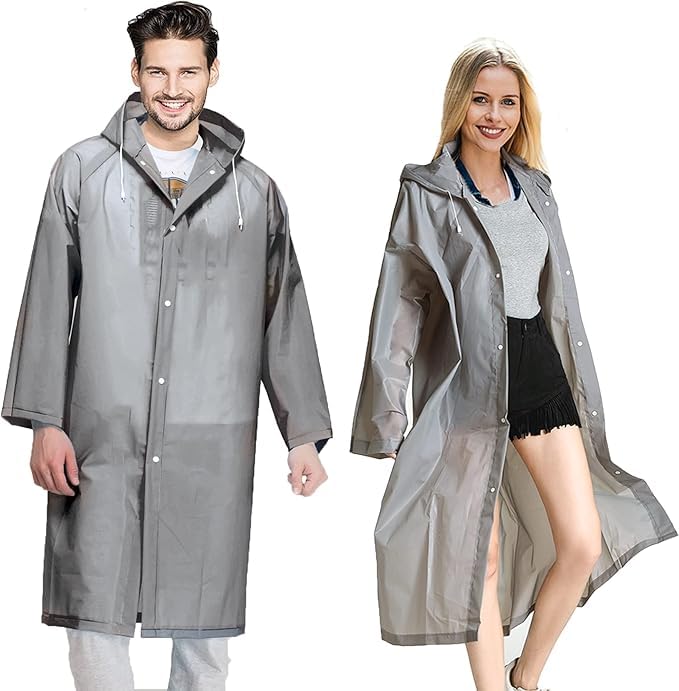
I’ll be honest-the Auslese EVA Waterproof Raincoat isn’t the poncho I’d recommend for someone who spends every weekend trekking through the Western Ghats. If you expect premium stitching or years of heavy use, you’ll probably be disappointed. But that’s also not what this product is trying to be.
For someone looking for a rain poncho under ₹300, especially for occasional travel, daily commuting, or keeping inside a backpack just in case the weather changes, it offers surprisingly good value.
One thing that immediately stands out is the EVA material. Unlike very cheap disposable plastic ponchos that often feel crinkly and tear after a couple of uses, EVA generally feels softer and easier to fold back into your bag. The material also doesn’t become quite as stiff after being exposed to rain.
A small difference. But one you’ll notice.
Quick Overview
Approximate Price: ₹150-₹300
Material: EVA
Suitable For:
- Budget travellers
- Students
- Office commuters
- Railway travel
- Short sightseeing trips
- Emergency rain protection
What We Like
One of the biggest advantages is portability. Since the poncho folds into a compact size, it hardly occupies any space inside a daypack or laptop bag. I’ve noticed many Indian travellers skip carrying rain protection because a traditional raincoat feels bulky. This solves that problem reasonably well.
The hood provides enough coverage for light to moderate rain, which is particularly useful while walking between metro stations or bus stops. If you’ve ever tried balancing an umbrella while dragging luggage through a railway platform, you’ll understand why keeping both hands free is a genuine advantage.
The lightweight feel also makes it more comfortable during humid monsoon weather compared to heavier PVC raincoats.
The slightly rubbery EVA texture feels noticeably softer than the thin plastic used in many disposable ponchos.
Things You Should Know Before Buying
This is not for everyone.
If you’re planning long motorcycle rides at highway speeds, I’d probably look elsewhere. Lightweight ponchos can flap around in strong wind, and that’s something every rider should consider before buying.
Similarly, travellers carrying a large trekking backpack may find the available space slightly restrictive. Smaller backpacks should fit comfortably underneath, but larger hiking packs deserve a roomier poncho.
Another limitation is durability. Although EVA generally lasts longer than disposable plastic, it’s still a budget product. Rough handling, sharp trekking gear, or repeated stuffing into an overloaded backpack can eventually cause small tears.
That’s fairly common in this price range.
Pros
- Affordable for most buyers
- Lightweight and easy to carry
- Reusable EVA material
- Comfortable for city commuting
- Suitable for emergency travel
- Hood offers decent rain protection
Cons
- Not ideal for large trekking backpacks
- Limited wind resistance
- Better suited for occasional rather than heavy daily use
Best For
I think this poncho makes the most sense for:
- College students
- Daily commuters
- Budget tourists
- Families travelling during monsoon holidays
- People who simply want a backup rain layer inside their luggage
We at AlarTravels often remind readers that spending less doesn’t automatically mean buying poorly. Sometimes it simply means buying something that matches your actual travel habits instead of paying for features you’ll rarely use.
Why We Recommend It
Many affordable ponchos promise far more than they realistically deliver. The Auslese model doesn’t pretend to be premium trekking equipment. It focuses on being lightweight, reasonably waterproof, and easy to pack.
For under ₹300, that’s honestly enough for many travellers.
ZEEL Unisex Outdoor Rain Poncho for Adult, Waterproof, Lightweight & Packable

If I had to recommend just one product to the widest range of Indian travellers in this budget category, the ZEEL Unisex Outdoor Rain Poncho would probably be my first choice.
Notice I said “probably.”
No budget poncho is perfect, and this one also has limitations. But compared to many similarly priced alternatives, it strikes a better balance between portability, coverage, and practical usability.
That’s why it earns our Best Overall recommendation.
Quick Overview
Approximate Price: ₹250-₹300
Suitable For
- Weekend trekking
- Hill station travel
- Backpackers
- Nature walks
- Camping
- Monsoon sightseeing
What Makes It Different?
Unlike many inexpensive rain ponchos that are mainly designed for emergency use, the ZEEL model feels more travel-focused.
One of its strongest points is the extra coverage. Backpackers often struggle with rain gear because ordinary raincoats protect the person but leave the backpack exposed. A poncho with a wider cut can help reduce that problem, particularly when carrying a medium-sized travel backpack.
That extra room becomes especially useful while walking through railway stations, bus terminals, or uneven trekking trails where holding an umbrella simply isn’t practical.
The roomy drape over the shoulders gives it a noticeably more relaxed fit than slimmer commuter-style raincoats.
Backpack Compatibility
This is where ZEEL performs better than many entry-level competitors.
Although I wouldn’t expect it to comfortably cover every large expedition backpack, it should work well for the kind of daypacks and travel backpacks most Indian travellers carry on weekend trips.
Maybe that’s enough for your style of travel.
If you’re planning monsoon treks, pairing your poncho with one of these Best Hiking Backpacks Under ₹2000 makes carrying your gear much easier in the rain.
Comfort During Indian Monsoon
Another reason I like this option is airflow.
Raincoats often trap heat, especially during humid weather in places like Kerala, Goa, or the Northeast during peak monsoon. A poncho naturally allows better ventilation because it isn’t tightly fitted around the body.
That doesn’t mean you’ll stay completely cool.
But you’ll probably feel less sticky after walking for thirty or forty minutes.
Things You Should Know Before Buying
This isn’t necessarily the right choice if your primary use is daily office commuting.
Ponchos are intentionally loose-fitting, which improves airflow but can feel less convenient in crowded metro stations or busy city streets where a shorter raincoat might be easier to manage.
Strong crosswinds can also affect any lightweight poncho. That’s simply the trade-off for keeping the weight low enough to pack easily.
Pros
- Better backpack coverage than many budget ponchos
- Lightweight and highly portable
- Comfortable during humid weather
- Suitable for trekking and travel
- Reusable design
- Good overall value
Cons
- Loose fit may not suit every commuter
- Windy conditions require extra care
- Not intended for extreme trekking conditions
Best For
The ZEEL poncho is best suited to:
- Weekend trekkers
- Backpackers
- Nature lovers
- Budget travellers
- Pilgrims
- Family holidays during monsoon
Why We Recommend It
We at AlarTravels believe travel gear should solve real problems rather than simply tick specification boxes. The ZEEL poncho does exactly that. It offers practical coverage, packs down small enough for regular travel, and suits a wide range of Indian monsoon situations without pushing buyers into a much higher price bracket.
If your goal is to buy one reusable rain poncho under ₹300 that can handle commuting, sightseeing, and occasional trekking, this is the option I’d shortlist first.

I’ll be honest-this isn’t the kind of rain poncho you’ll buy if you’re planning multi-day Himalayan treks or carrying heavy camping gear. It’s built for something much more common: getting through everyday Indian monsoon rain without arriving completely soaked. If your routine involves walking to the metro, riding an auto, waiting at a bus stop, or covering the last kilometre from the railway station to the office, that’s exactly where this model makes the most sense.
One thing I’ve noticed during monsoon travel is that many people buy trekking gear when all they actually need is dependable everyday rain protection. They end up spending more than necessary. This option avoids that.
Quick Overview
The Lifelong Waterproof Unisex Rain Coat Hooded is designed for daily commuters who want an affordable waterproof layer that’s easy to wear over regular clothes. It suits both men and women, making it a practical household option if multiple family members need rain protection during the season.
Approximate Price: ₹250-₹350 (prices may vary)
Best For
- Office commuters
- College students
- Metro and train travellers
- Daily city use
- Short weekend trips
What We Like
- Unisex design suitable for most adults
- Hood offers better protection than carrying only an umbrella
- Easy to fold after use
- Good value for everyday commuting
- Suitable for frequent monsoon showers
Things to Keep in Mind
I’ll be honest-if your backpack is very large or you’re carrying trekking equipment, you may find the coverage a little limiting. This is not designed as a dedicated backpacking poncho.
That’s perfectly fine.
Its job is protecting you during everyday travel, not replacing premium outdoor rain gear.
One Detail That Stands Out
The hood has a simple drawstring adjustment, which helps keep it from slipping backward when you’re walking against strong monsoon winds. It’s a small feature, but anyone who’s chased a flying hood across a railway platform knows why it matters.
Why We Recommend It
We at AlarTravels often remind readers that comfort matters just as much as waterproofing. During the Indian monsoon, you’ll probably wear a raincoat for thirty to sixty minutes at a stretch-not all day. A lightweight option usually feels less tiring than heavier alternatives.
This model strikes a sensible balance between price and convenience.
Maybe it’s not the toughest raincoat available, but that’s not really the point. For someone commuting five days a week, paying around ₹300 instead of ₹800 can make a lot more financial sense.
It also packs down without taking up much space inside a laptop bag or small backpack. That’s particularly useful if the morning starts sunny but the weather forecast suggests afternoon showers-a situation most Indian cities know all too well.
Pros
- Affordable price
- Lightweight enough for daily carrying
- Comfortable for city commuting
- Hood improves rain protection
- Suitable for men and women
Cons
- Not ideal for heavy trekking
- Limited space for oversized backpacks
- Better suited to moderate use than rugged adventures
Who Should Buy It?
Choose this if you:
- commute by metro or local train
- frequently walk between transport connections
- need an inexpensive reusable raincoat
- want something compact enough to keep in your office bag
Who Should Skip It?
If you’re planning long motorcycle tours, Himalayan treks, or multi-day camping trips, I’d recommend looking at something specifically designed for outdoor adventures with more generous coverage.
For everyday Indian commuting, though, this remains one of the better-value choices in its price range.

Some travellers don’t actually need a raincoat every week. They simply want something they can throw into their luggage and completely forget about-until the weather suddenly changes.
That’s exactly where the RERANT Unisex Waterproof Long Raincoat fits.
I probably wouldn’t recommend this if you’re expecting months of continuous heavy use. But if you travel occasionally, take weekend trips during monsoon, or simply like having emergency rain protection in your backpack, it’s a sensible purchase.
Sometimes that’s all you need.
Quick Overview
The RERANT Waterproof Long Raincoat focuses on portability rather than premium outdoor performance. It folds compactly enough for suitcases, travel backpacks, or motorcycle luggage while still offering generous body coverage during unexpected rain.
Approximate Price: ₹250-₹350 (prices may vary)
Best For
- Weekend travellers
- Emergency rain protection
- Motorcycle touring
- Family vacations
- Budget travellers
What We Like
- Packs down easily inside luggage
- Long design offers better leg coverage
- Hood helps reduce water entering around the neck
- Convenient pockets for everyday use
- Reusable instead of disposable
A Few Limitations
I’ll be honest-this won’t satisfy everyone.
If you regularly trek through forests or spend hours outdoors during heavy mountain rain, investing in a higher-end trekking poncho would probably be worthwhile.
This model is much more suited to travel than expedition use.
One Detail That Stands Out
The front pockets are surprisingly handy, especially when you’re trying to keep train tickets, small cash, or a hotel room key within easy reach without opening your backpack in the rain.
Little conveniences like that often matter more than fancy marketing features.
Why We Recommend It
I’ve noticed many Indian travellers still depend entirely on umbrellas. That works until the wind picks up or you’re trying to pull a suitcase through a railway station while balancing an umbrella in one hand.
A compact raincoat solves that problem.
Because this model folds into a relatively small package, you can leave it in your travel backpack throughout the monsoon season without giving up much packing space. Even if you never use it, having it available provides peace of mind during unpredictable weather.
We at AlarTravels especially like recommending practical emergency gear that doesn’t strain the travel budget. Spending around ₹300 on something you may only use a few times each year sounds expensive at first, but replacing soaked clothes or damaged travel documents costs much more.
Pros
- Compact for travel
- Long coverage during rain
- Useful hood and pockets
- Easy to store inside luggage
- Good emergency travel option
Cons
- Not intended for demanding trekking
- Budget materials require careful handling
- Premium outdoor users may want something sturdier
Who Should Buy It?
This is a great choice if you:
- travel during the Indian monsoon
- prefer lightweight luggage
- want emergency rain protection
- frequently travel by train or bus
- occasionally go on motorcycle road trips
Who Should Skip It?
If you’re expecting daily professional use or extended mountain expeditions, you’ll probably benefit from investing in a heavier-duty waterproof shell instead.
For everyone else, especially budget-conscious travellers, this raincoat delivers practical value without asking you to spend much.
Rain Poncho vs Rain Jacket – Which One Should You Buy?
I’ll be honest-this is probably the biggest question people ask before buying rain gear. A rain poncho and a rain jacket both keep you dry, but they solve different problems. I’ve noticed that many travellers buy a jacket first, only to realise later that it doesn’t protect their backpack or allow enough airflow during humid monsoon trips.
A rain poncho is a better choice if you travel with a backpack, walk long distances, visit hill stations, or need something that folds into a tiny corner of your luggage. The loose design lets air circulate more freely, which makes a noticeable difference during sticky July and August weather in most parts of India. It also covers more of your body, and many designs can extend over a small or medium-sized backpack.
A rain jacket, on the other hand, feels more secure during strong winds and is usually easier to wear while riding a motorcycle at higher speeds. If your daily routine involves short walks between the metro station and your office, or if you ride every day regardless of the weather, a fitted jacket may feel more comfortable.
Neither option is perfect.
Ponchos can flap around in heavy wind if they are not secured properly, while jackets often leave your backpack exposed unless you carry a separate rain cover. That’s an extra thing to remember.
Here’s a simple way we at AlarTravels think about it:
| Situation | Better Choice |
|---|---|
| Trekking with a backpack | Rain Poncho |
| Train travel | Rain Poncho |
| Hill station sightseeing | Rain Poncho |
| Festival or pilgrimage | Rain Poncho |
| Office commute | Rain Jacket or Poncho |
| Motorcycle riding | Rain Jacket (or a well-secured poncho at lower speeds) |
| Emergency travel | Rain Poncho |
Here is a quick comparison. It won’t cover every possible travel style, but it’s close enough to help you choose with confidence.
If you’re carrying camera gear, laptops, or trekking equipment, a poncho usually gives better overall coverage. If you simply want something streamlined for everyday city use, a jacket is often the more practical purchase.
If you’re still unsure whether a poncho is the right choice, we’ve also compared several excellent Rain Jackets Under ₹1000 that are worth considering before you make your final decision.
How to Choose the Right Rain Poncho
Buying the cheapest poncho isn’t always the smartest decision. Around ₹200-₹300 is where you’ll find the best balance between price and durability, but only if you know what to check before ordering.
I’ve made the mistake of buying rain gear purely because it looked affordable. It survived one trip. That was about it.
Before spending your money, pay attention to these factors.
Waterproof vs Water Resistant
Many online listings use these two terms interchangeably, even though they aren’t the same.
A water-resistant poncho can handle light drizzle or short showers, but prolonged rain may eventually seep through the material or stitched areas. These are fine for short walks from a bus stop to your office or college.
A waterproof poncho is designed for heavier rain and longer exposure. While budget ponchos under ₹300 may not offer premium waterproof technology, reusable EVA models generally perform better than very thin disposable plastic options.
If you’re travelling during the Indian monsoon, especially in destinations like Munnar, Cherrapunji, Coorg or the Western Ghats, choosing waterproof over merely water-resistant is usually worth the small price difference.
Still, check the product description carefully.
Marketing words alone don’t keep you dry.
EVA vs PVC vs PE Materials
Material affects durability, comfort and how long the poncho lasts.
EVA (Ethylene Vinyl Acetate) is generally the most comfortable choice in the budget range. It’s softer, lighter and doesn’t feel as stiff when folded repeatedly. Many reusable travel ponchos around ₹200-₹300 use EVA because it balances flexibility with decent water protection.
PVC tends to feel thicker and can provide good rain protection, but it is often heavier and less breathable. Some people also find it slightly uncomfortable during humid weather because it traps heat.
PE (Polyethylene) is commonly used in disposable emergency ponchos. It’s extremely lightweight and inexpensive but tears much more easily. It works well as a backup kept inside a backpack but shouldn’t be expected to survive multiple trips.
Maybe it’s not the biggest difference you’ll notice on your first outing, but after a few weekends of travel, material quality becomes much more obvious.
Disposable vs Reusable Ponchos
Disposable ponchos are useful for unexpected rain.
That’s about where their advantage ends.
If you’re attending an outdoor concert, visiting an amusement park, or simply want an emergency backup inside your daypack, a disposable poncho costing around ₹80-₹150 is perfectly reasonable.
Reusable ponchos make far more sense for regular travellers, commuters and trekkers. Spending another ₹100 or so usually gets you stronger material, a better hood and a product that can last through several monsoon seasons with proper care.
We at AlarTravels generally recommend reusable models for anyone travelling more than once or twice during the rainy season.
You’ll save money over time.
Can It Cover Your Backpack?
This is one of the most overlooked buying factors.
Many buyers assume every poncho will comfortably fit over a backpack. Unfortunately, that’s not always true.
Compact daypacks usually fit without much trouble, but larger trekking backpacks need a wider poncho with enough fabric to cover both your shoulders and your gear.
If you regularly carry camera equipment, laptops or clothes during train journeys, this extra coverage can prevent expensive surprises after a long day of rain.
Before buying, check whether the product description specifically mentions backpack compatibility or oversized coverage.
If it doesn’t, assume it may only cover the wearer.
Weight & Pack Size
One of the biggest reasons travellers prefer ponchos is how little space they occupy.
Most reusable budget ponchos fold small enough to fit inside a backpack pocket, handbag or even a larger jacket pocket. That makes them ideal for unpredictable weather during sightseeing or weekend trips.
I’ve noticed that lightweight gear gets packed far more often than bulky alternatives.
A heavy raincoat left at home protects nobody.
If you travel mainly by train, bus or flight, compact pack size often matters more than shaving a few grams off the overall weight.
Airflow During the Indian Monsoon
Indian monsoon weather isn’t just wet.
It’s humid.
A fully zipped rain jacket can become sweaty surprisingly quickly, especially if you’re walking through crowded markets, climbing temple steps or exploring hill stations.
The loose design of a poncho naturally allows better airflow, reducing that sticky feeling many travellers complain about after just twenty minutes outside.
Of course, increased ventilation comes with a trade-off. Strong winds can move the fabric around more than a fitted jacket, so a poncho isn’t automatically the best choice for every situation.
If you’re mainly walking, sightseeing or commuting at a relaxed pace, the extra airflow often makes the experience much more comfortable.
Comfort matters almost as much as staying dry.
Who Should Buy a Rain Poncho?
A rain poncho isn’t the right choice for every traveller. I’ll be honest-if you spend most of your time riding a motorcycle at highway speeds or simply walking from your car to the office, you may be happier with a fitted rain jacket. But for many Indian travellers, a lightweight poncho solves problems that a traditional raincoat simply doesn’t.
If you regularly travel during the monsoon, it’s one of those small purchases that quickly proves its value.
Backpackers: Backpackers benefit the most because a poncho can often cover both the person and a small or medium-sized backpack. That means you don’t always need a separate rain cover for your bag, especially during short walks between bus stands, railway stations and hotels.
Bike Riders: For city riders travelling at moderate speeds, a properly fitted poncho offers generous coverage. Still, loose fabric can catch strong wind, so check how securely the poncho fastens before buying. If most of your riding happens on highways, a dedicated riding rain suit is usually safer.
Train Travellers: Indian train journeys often involve walking across long platforms while carrying luggage. A foldable poncho can be taken out in seconds without digging through your suitcase. I’ve noticed this becomes especially useful during delayed trains when you’re standing outdoors for longer than expected.
Trekkers: Trekkers appreciate the ventilation a poncho provides. Climbing uphill during humid weather becomes much more comfortable when air can circulate instead of being trapped inside a heavy jacket.
Pilgrims & Festival Visitors: Places such as Vaishno Devi, Sabarimala or crowded outdoor festivals often involve long queues in unpredictable rain. A compact poncho keeps you covered without occupying much luggage space.
Students & Daily Commuters: Students travelling by metro, local bus or shared auto generally need something affordable that folds into a college bag. A reusable poncho around ₹200-₹300 often makes better financial sense than repeatedly buying disposable plastic raincoats.
Not every traveller needs one.
But if your trips usually involve walking, public transport or carrying a backpack, a rain poncho is surprisingly practical.
If you’re planning monsoon treks, pairing your poncho with one of these Best Hiking Backpacks Under ₹2000 makes carrying your gear much easier in the rain.
Common Mistakes People Make When Buying Cheap Rain Ponchos
Budget doesn’t have to mean poor quality. The bigger problem is buying without knowing what actually matters.
Here are the mistakes we at AlarTravels see people make most often.
Buying the Cheapest Option Available
A ₹99 disposable poncho looks tempting until it tears while unfolding it for the second time. Spending another ₹100-₹150 often buys noticeably stronger material and better stitching.
Cheap isn’t always good value.
Ignoring Seam Quality
Many buyers focus only on material while forgetting the stitched areas. Water often enters through poorly finished seams before the fabric itself fails.
Look carefully at product photos and customer feedback for stitching quality whenever possible.
Forgetting Backpack Space
Some ponchos comfortably fit only the wearer. If you normally carry a laptop backpack during office commutes or travel with trekking gear, inadequate coverage defeats the whole purpose.
Always check whether backpack compatibility is mentioned.
Choosing the Wrong Hood
A hood that’s too small or lacks adjustment can expose your face during windy rain. That becomes frustrating when you’re walking through railway stations or sightseeing in hill towns.
Confusing Disposable with Reusable
Many listings look similar in photos, but disposable PE ponchos and reusable EVA ponchos behave very differently after repeated use.
Read the material description carefully before ordering.
Ignoring Size
Ponchos rely on generous coverage rather than a fitted cut. If the size feels too short, your trousers and backpack may still get soaked during heavy rain.
Taking two extra minutes to check dimensions can prevent disappointment later.
Maintenance Tips to Make a ₹300 Poncho Last Longer
One thing I’ve learnt over the years is that affordable travel gear often lasts much longer than people expect-provided you look after it properly.
Fortunately, maintaining a rain poncho doesn’t require much effort.
Dry It Before Folding
The biggest mistake is stuffing a wet poncho straight into a backpack after reaching your destination. Moisture trapped inside folded material can eventually cause unpleasant odours and weaken the fabric.
Whenever possible, hang it until completely dry.
Clean Gently
Most reusable ponchos only need a soft cloth or mild soap with clean water. Strong detergents and harsh scrubbing aren’t necessary and may shorten the life of certain materials.
Store It Loosely
Avoid compressing the poncho under heavy luggage for weeks at a time. Keeping it folded neatly inside its storage pouch or a dry drawer helps prevent permanent creases.
Repair Small Tears Early
Tiny tears rarely stay tiny.
If you notice minor damage after a trip, repairing it promptly with suitable waterproof repair tape is much easier than replacing the entire poncho later.
Keep It Away from Excessive Heat
Leaving a poncho inside a car under direct summer sunlight for several days isn’t ideal. High temperatures can gradually affect flexible materials over time.
A little care goes a long way.
Even a ₹250 poncho can easily survive multiple monsoon seasons if treated properly.
Budget Buyer’s Guide
Not every traveller needs to spend the same amount on rain gear. Your ideal budget depends on how often you’ll actually use it.
Here’s a realistic expectation of what each price range usually offers.
₹100-₹150
This range is dominated by disposable or very basic reusable ponchos.
They’re suitable as emergency backups for concerts, amusement parks, day trips or unexpected rain during city sightseeing.
Don’t expect long-term durability.
₹150-₹300
This is the sweet spot for most Indian travellers.
You’ll generally find reusable EVA ponchos with decent waterproof performance, foldable designs and comfortable hoods. For weekend trips, train journeys and regular monsoon commuting, this price range offers the best overall value.
Most readers searching for rain ponchos under ₹300 can confidently start here.
₹300-₹600
Products in this range often use thicker materials, improved stitching and more comfortable designs. Some also provide better coverage for backpacks and longer-lasting construction.
If you travel frequently during the rainy season, spending slightly more can be worthwhile.
₹600 and Above
Premium trekking ponchos and outdoor models usually fall into this category. They’re designed for repeated use, demanding weather and longer adventures rather than occasional commuting.
They aren’t necessary for everyone.
Honestly, most casual travellers won’t notice enough difference to justify the extra cost.
We at AlarTravels usually recommend staying in the ₹150-₹300 range unless you regularly trek, camp or travel extensively during the monsoon.
If you’re building an affordable travel kit, we’ve also rounded up some surprisingly good Best Travel Backpacks Under ₹500 that pair well with these budget rain ponchos.
Final Verdict
Choosing the best rain poncho under ₹300 really comes down to how you travel. If you want the most versatile option, the ZEEL Outdoor Rain Poncho remains our overall recommendation thanks to its balance of coverage, portability, and backpack-friendly design. Budget-conscious buyers should look at the Auslese EVA Waterproof Raincoat, daily commuters will appreciate the Lifelong Waterproof Rain Coat, and occasional travellers who like carrying emergency rain protection can confidently consider the RERANT Waterproof Long Raincoat.
If you’re planning a monsoon holiday and would rather spend your time travelling than organising every detail, our Custom Trip Planner can help create a personalised trip from start to finish.
No budget rain poncho is perfect. That’s simply the reality of this price range. But if you choose one that matches your travel style instead of chasing marketing claims, you’ll almost certainly get better value for your money.
If you already know your destination but want a day-by-day schedule, our Custom Travel Itinerary service can build one around your travel style and budget.
We at AlarTravels believe smart travel isn’t about spending more-it’s about buying gear that genuinely makes your journeys easier. I hope this guide helps you stay dry on your next monsoon adventure.
If Kolkata is your next monsoon destination, you can also explore our Custom Kolkata Tour Package for a personalised sightseeing experience.
A little preparation goes a long way. Safe travels, and we’ll see you again soon with more honest travel gear recommendations from all of us at AlarTravels.
Packing the Poncho Is Easy, Planning the Trip Is the Hard Part
A rain poncho can keep you comfortable when the weather changes, but planning a monsoon trip around your time, route and travel style takes a little more thought. If you’re planning a trip and don’t want to spend hours figuring out what to see, when to go and how to fit everything together, a personalized itinerary can make the process much simpler.
With an AlarTravels Custom Travel Itinerary, your plan can be built around:
- Your available travel time
- Places and experiences that fit your interests
- Practical route and transport planning
- Stay and activity suggestions
- A more organized day-by-day travel plan
Get Your Custom Travel Itinerary →
Frequently Asked Questions
Which rain poncho is best for men in India?
There isn’t one perfect answer because the best rain poncho depends on how you travel. If you’re mainly commuting through city streets, walking between metro stations, or travelling by local train, the Lifelong Waterproof Unisex Rain Coat Hooded offers a sensible balance of affordability and everyday practicality. It provides enough coverage for regular monsoon use without taking up much space in your office bag.
If your weekends are usually spent exploring hill stations, trekking trails, or sightseeing with a backpack, I’d lean toward the ZEEL Outdoor Rain Poncho instead. Its looser design makes it more comfortable for carrying a small or medium-sized backpack, and the improved airflow is welcome during humid Indian weather.
I’ll be honest-if you only travel once or twice during the rainy season, spending extra on premium outdoor gear probably isn’t necessary. Most travellers searching for a rain poncho under ₹300 will be perfectly happy with a reusable model that matches their actual travel habits rather than buying features they’ll rarely use.
Which rain poncho is best for women?
Most rain ponchos in this price range are designed as unisex products, so the decision usually comes down to comfort, coverage, and portability rather than gender. For women who commute to work or college every day, the Auslese EVA Waterproof Raincoat is an excellent budget-friendly option because it folds easily into a handbag or backpack and feels lighter than many traditional PVC raincoats.
For sightseeing trips, pilgrimages, or holidays during the Indian monsoon, the RERANT Waterproof Long Raincoat is worth considering if you prefer additional body coverage. The longer design can help keep more of your clothing dry while walking through railway stations, crowded markets, or tourist attractions.
We at AlarTravels usually recommend choosing a slightly roomier poncho if you often carry a handbag or daypack. Extra space makes movement more comfortable, especially when climbing stairs, boarding buses, or navigating busy platforms. Before ordering, it’s also worth checking the product dimensions so the length matches your height and travel style.
Is a rain poncho better than a raincoat?
Neither is automatically better-they simply serve different purposes.
A rain poncho generally offers better coverage, especially if you’re carrying a backpack. It also provides improved airflow, which becomes noticeable during humid Indian monsoon conditions. That’s why ponchos are popular with trekkers, backpackers, train travellers, and tourists exploring destinations on foot.
A raincoat, however, has its own advantages. Its fitted design stays closer to the body, making it easier to wear while cycling, riding a motorcycle, or moving through crowded city streets. Many commuters also prefer jackets because they feel more secure in strong winds.
Maybe I’m being overly practical, but I’d choose based on the trip rather than assuming one style suits every situation. If you’re travelling to places like Coorg, Munnar, or Meghalaya with a backpack, a poncho is often the more convenient option. If your routine mostly involves short daily commutes, a jacket may prove easier to manage.
Think about how you’ll actually use it before spending your money.
Are reusable rain ponchos waterproof?
Most reusable rain ponchos are designed to be waterproof enough for normal monsoon conditions, but not all products perform equally. Materials such as EVA generally provide better durability and water protection than very thin disposable plastic, making them a sensible choice for repeated travel.
That said, it’s important to keep realistic expectations. A reusable poncho costing around ₹250-₹300 won’t necessarily deliver the same long-term performance as specialised outdoor gear costing several times more. Stitching quality, hood design, and overall construction also influence how well a poncho keeps rain out.
We at AlarTravels always suggest reading the product description carefully instead of relying only on marketing terms. Some listings describe products as waterproof when they’re better suited to light showers than prolonged heavy rain. If you’re planning trips during peak monsoon months, choosing a reusable waterproof model rather than a disposable emergency poncho is usually the wiser investment.
Can a rain poncho cover a backpack?
Yes, but not every rain poncho can.
This is one of the biggest misunderstandings among first-time buyers. Many budget ponchos comfortably fit over the wearer but don’t leave enough extra room for a fully packed trekking backpack. If you’re carrying only a slim laptop bag or a compact daypack, most reusable ponchos should provide reasonable coverage.
Larger hiking backpacks are a different story.
Products such as the ZEEL Outdoor Rain Poncho are generally better suited for travellers who need additional space around the shoulders and back. Even then, checking the product description before ordering is important because backpack compatibility varies from one model to another.
If your luggage contains electronics, camera equipment, or important travel documents, don’t assume every poncho will protect both you and your bag. Spending a few extra minutes checking dimensions can prevent an expensive mistake during the next heavy downpour.
Which material is better: EVA or PVC?
For most travellers, I’d recommend EVA.
EVA feels softer, folds more easily, and is generally more comfortable during humid weather than PVC. That’s one reason many reusable rain ponchos under ₹300 use EVA as their primary material. It strikes a good balance between flexibility, portability, and everyday durability.
PVC, on the other hand, tends to feel thicker and can provide solid rain protection, but it is often heavier and less breathable. During long walks in warm monsoon conditions, some travellers find PVC slightly uncomfortable because it traps more heat.
I’ll be honest-neither material is objectively perfect. If you mainly need a compact poncho for occasional travel or commuting, EVA is usually the better choice. If your priority is slightly tougher construction and you don’t mind carrying a little extra weight, PVC may suit your needs.
Choosing the right material depends on your travel style rather than simply picking whichever sounds stronger.
Are disposable rain ponchos worth buying?
They can be, provided you understand their limitations.
Disposable rain ponchos are ideal for emergency situations. If you’re attending an outdoor event, visiting a theme park, or simply want something inexpensive to keep inside your backpack for unexpected rain, they serve their purpose well. They’re lightweight, compact, and easy to replace.
The problem starts when people expect them to perform like reusable travel gear.
Thin disposable ponchos often tear while unfolding or after only one or two uses. They also tend to provide less comfortable movement than reusable EVA models. If you travel regularly during the Indian monsoon, repeatedly replacing disposable ponchos usually ends up costing more than buying one reusable option.
We at AlarTravels generally recommend disposable ponchos only for occasional use. Anyone who commutes, travels, or treks more than a few times each season will usually get much better value from a reusable model.
Which rain poncho is best for trekking and travel?
For trekking, backpacking, and weekend travel, the ZEEL Outdoor Rain Poncho remains our top recommendation from this list.
Its wider coverage, lightweight design, and better backpack compatibility make it a practical companion for hill stations, nature trails, and sightseeing trips where weather can change quickly. The improved airflow is another advantage because trekking during the Indian monsoon can become uncomfortable inside tightly fitted rain jackets.
For travellers who mainly want an emergency backup inside their luggage, the RERANT Waterproof Long Raincoat is also a strong choice. It folds compactly and provides generous body coverage without occupying much packing space.
Maybe it’s not built for serious mountaineering, but that’s perfectly acceptable. Most Indian travellers don’t need expedition-grade rain gear. They simply need something dependable that keeps them reasonably dry while exploring new destinations without stretching the travel budget.